The Score Mirror
"I feel off but I cannot name where."
A rated snapshot across dimensions turns the diffuse state into a clear picture.
All 61 artifacts across the seven temples. Each one opens its foundational starter template — fork it, adapt it, make it yours.
"I feel off but I cannot name where."
A rated snapshot across dimensions turns the diffuse state into a clear picture.
"I know something is missing but I do not know what."
A list of named items they mark yes or no, so gaps become visible.
"I have so much going on inside but I cannot put words to it."
Open prompts draw the implicit into their own language.
"I overthink everything. I cannot get past my own head."
Half-finished sentences land the truth before the editor catches it.
"I have been giving the right answer so long I do not know what is true for me."
Two-second responses to single words, faster than the censor.
"I am just like this. It is who I am."
Indirect questions route them into one of several patterns, so what felt fixed becomes one option among many.
"I cannot see how far I have come."
Two states held side by side make the distance legible.
"Everything feels equally important."
Forced ordering surfaces what they actually put first under pressure.
"It is all just blurred together."
Items dropped into named buckets turn undifferentiated chaos into shape.
"I cannot tell where I sit between these two things."
A 2D placement on two axes produces four possible positions.
"I cannot put words to what I feel."
Color, shape, and tag composition holds what language cannot.
"I do not even know my own story."
A plot of peaks and valleys across their life makes the shape visible.
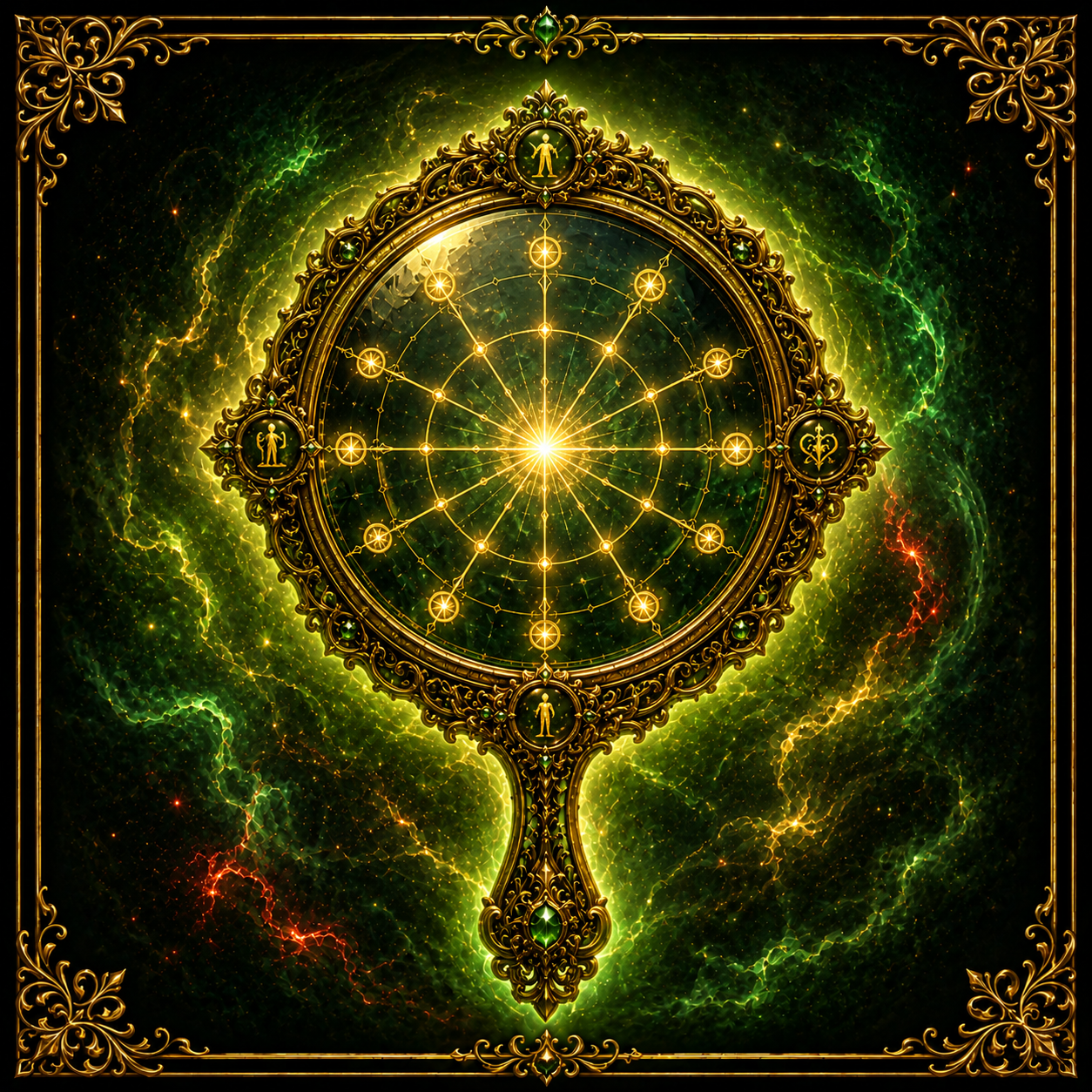
"I do not know who or what is shaping me right now."
A center-and-periphery map of influences names the unseen forces.
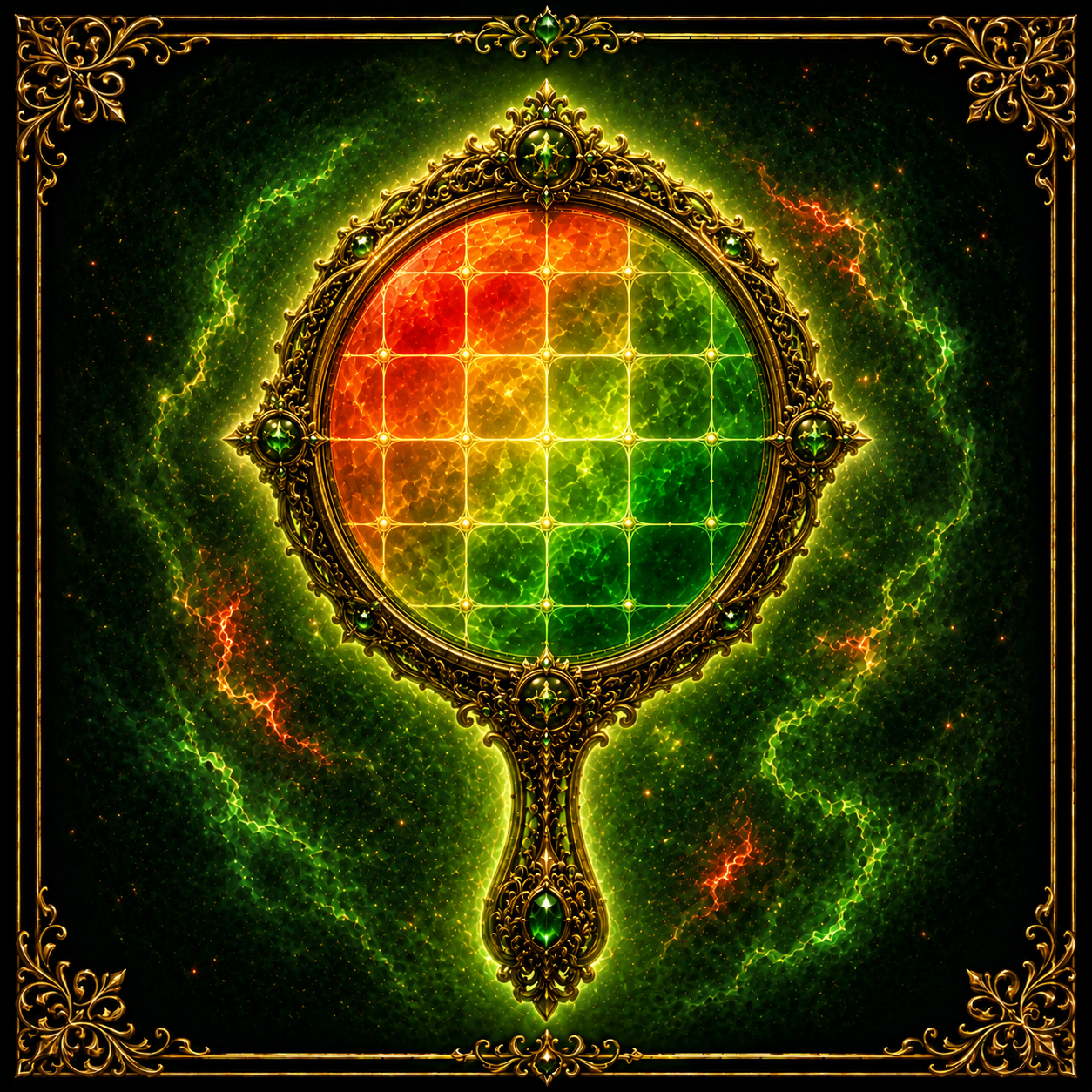
"Something is intense and I do not know where."
Painted intensity on a grid makes hot, warm, and cool visible at a glance.
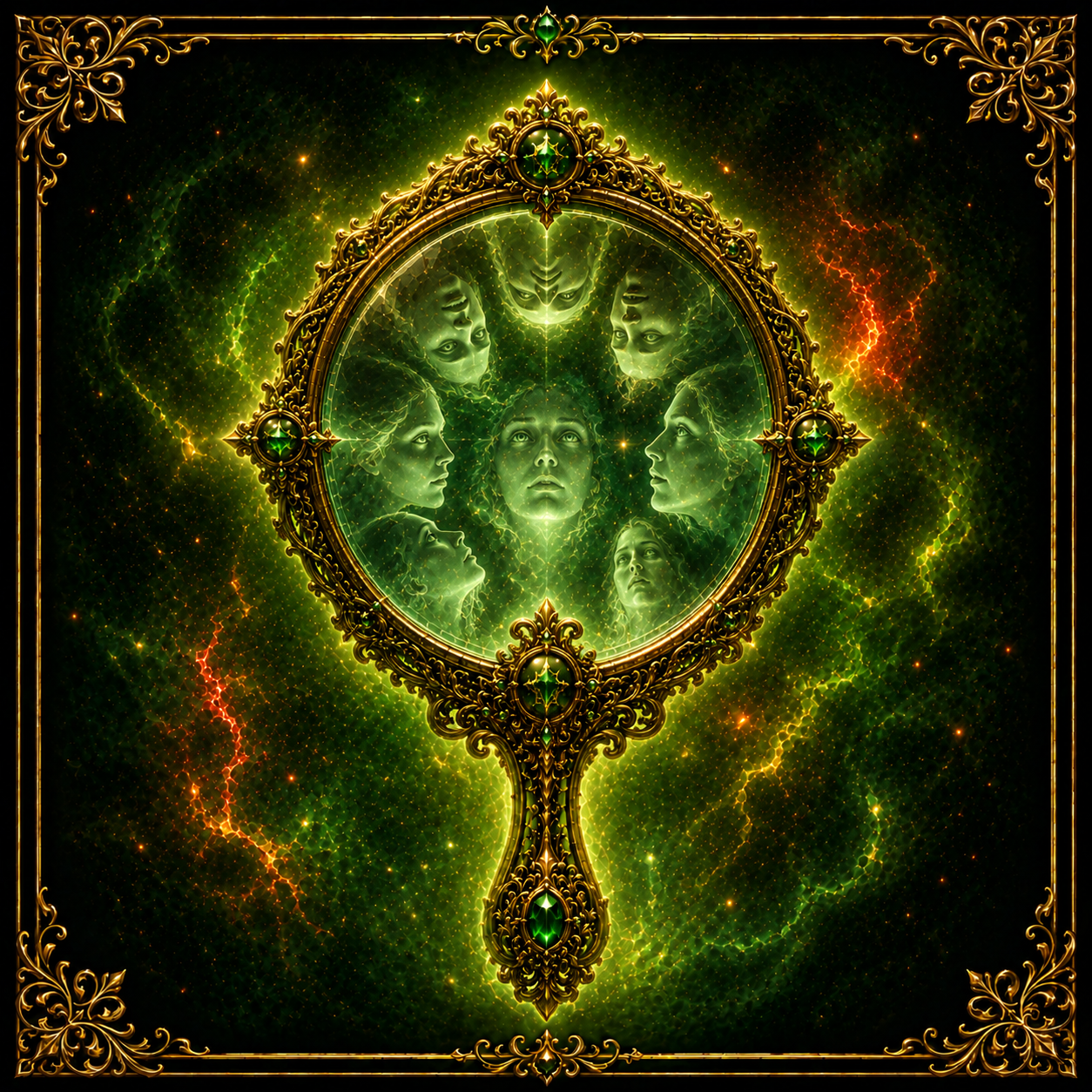
"I cannot see myself the way others do."
Aggregated input from people they trust fills in the blind spots.
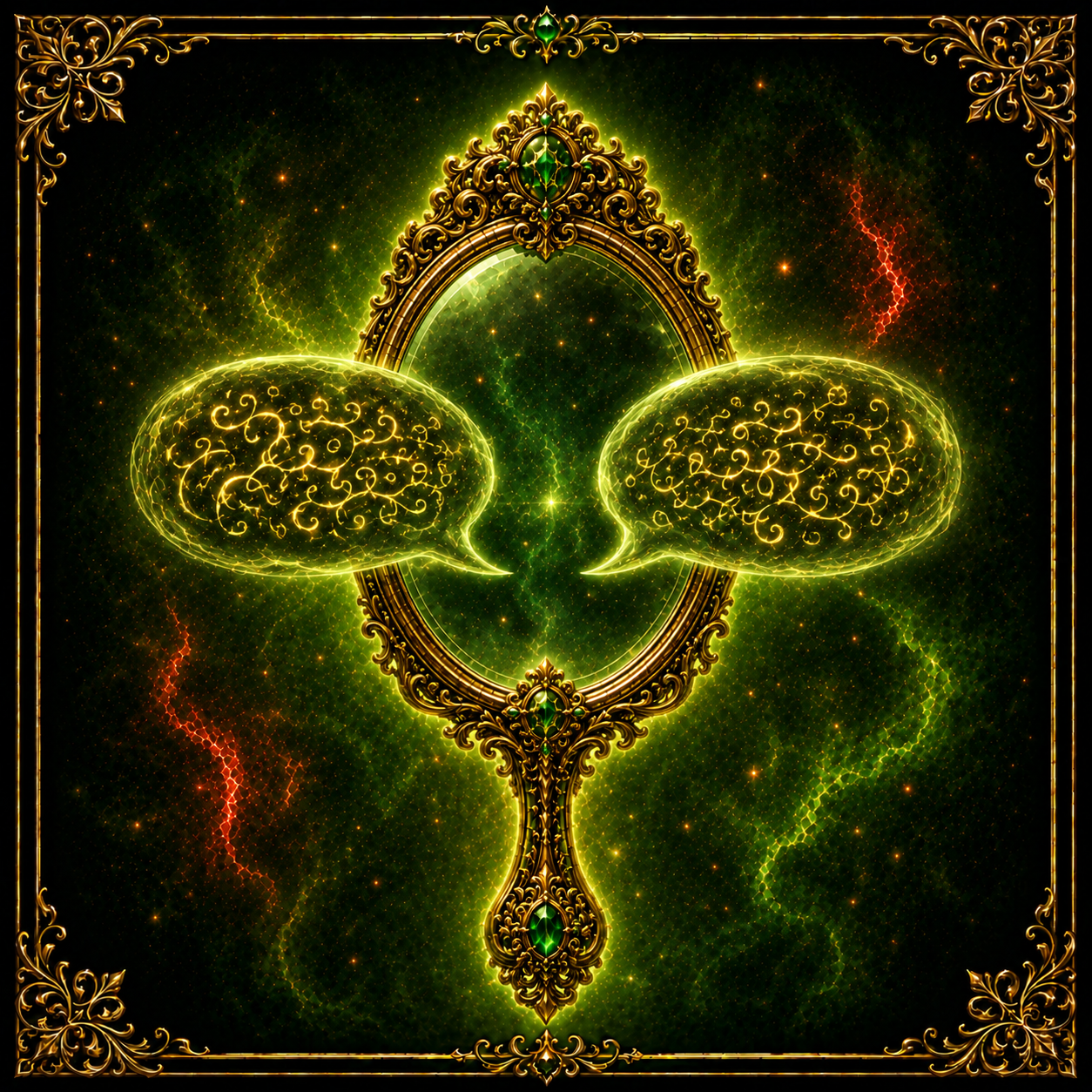
"Part of me wants this and part of me does not."
A scaffolded back-and-forth where both parts get to speak.
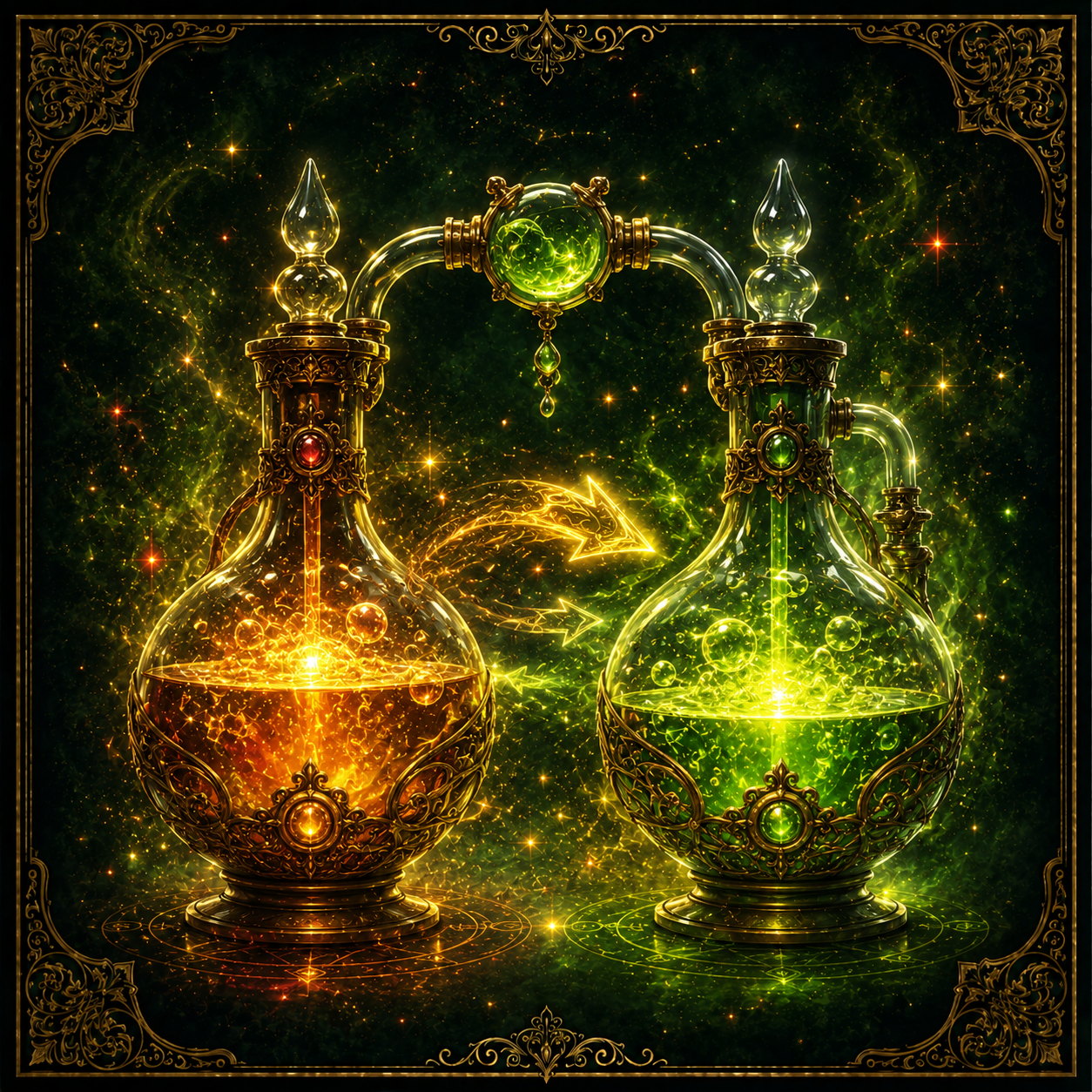
"I keep telling myself this story but I do not know what to replace it with."
Old version on the left, new version on the right, with prompts that produce the new beside the old.
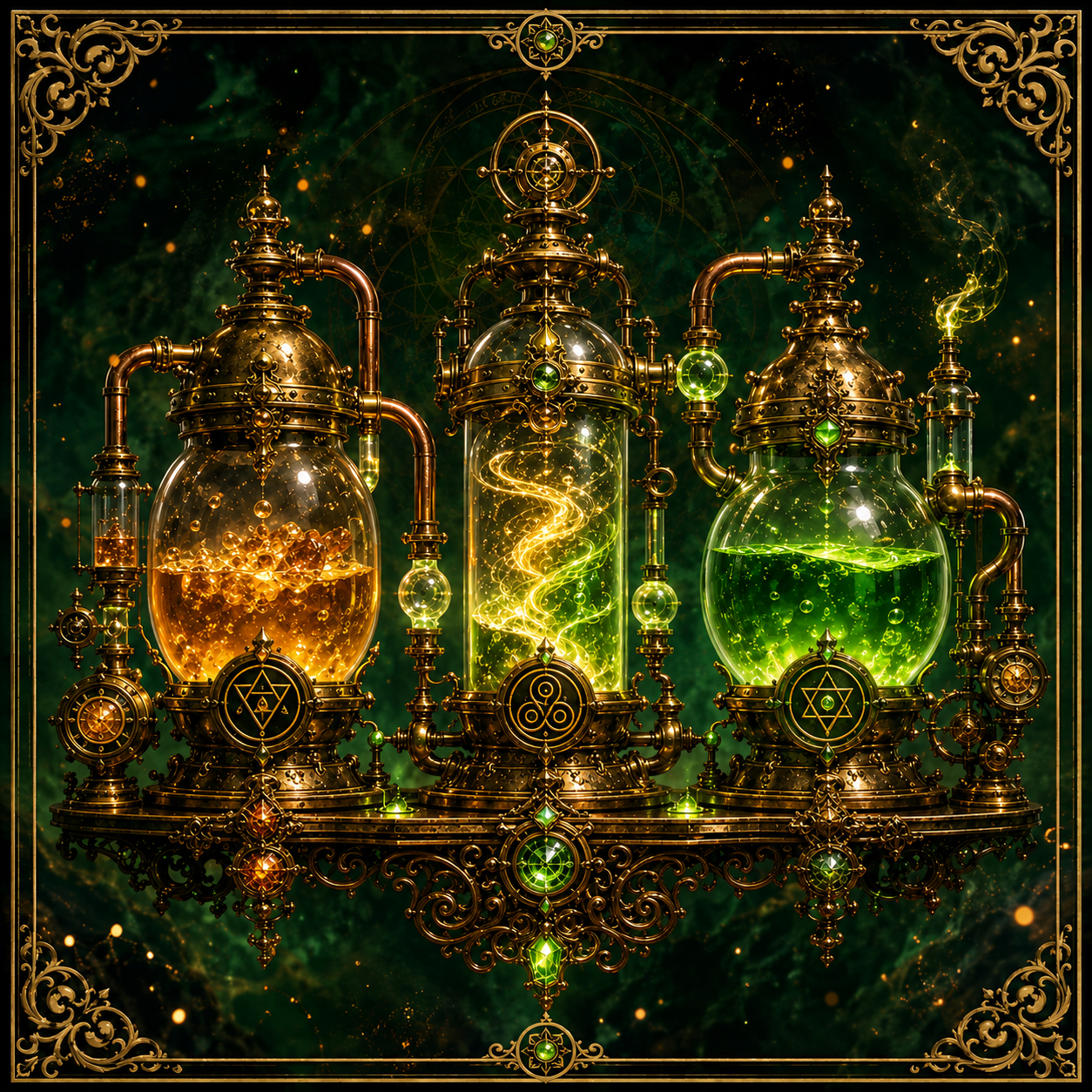
"I want this to become that but I do not know the path."
Named conversion stages from input to output, so the transformation becomes a process they can follow.
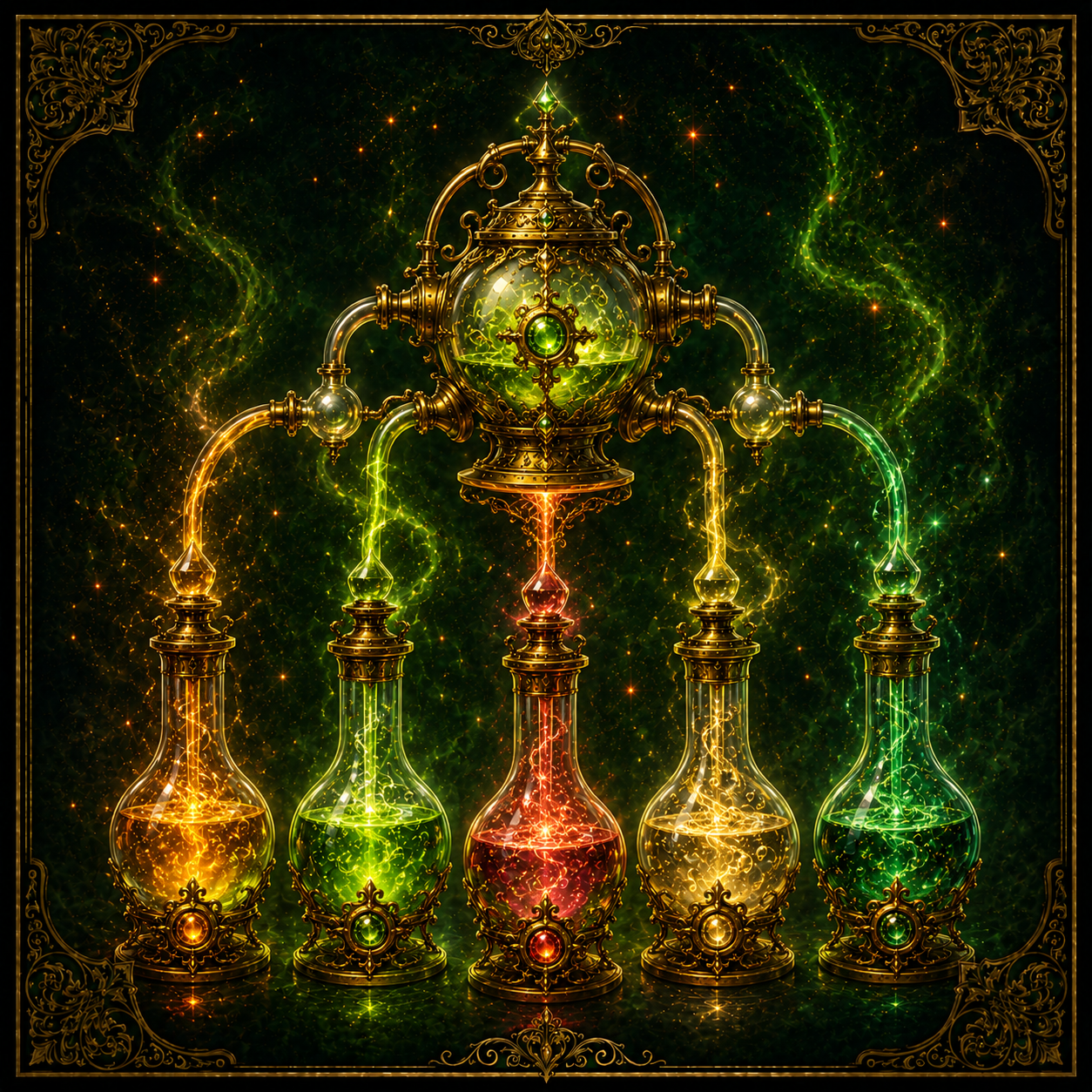
"I can only see one way of saying this and it is not landing."
One input, many named angles — the client writes a reframe through each lens until the original phrasing loses its monopoly.
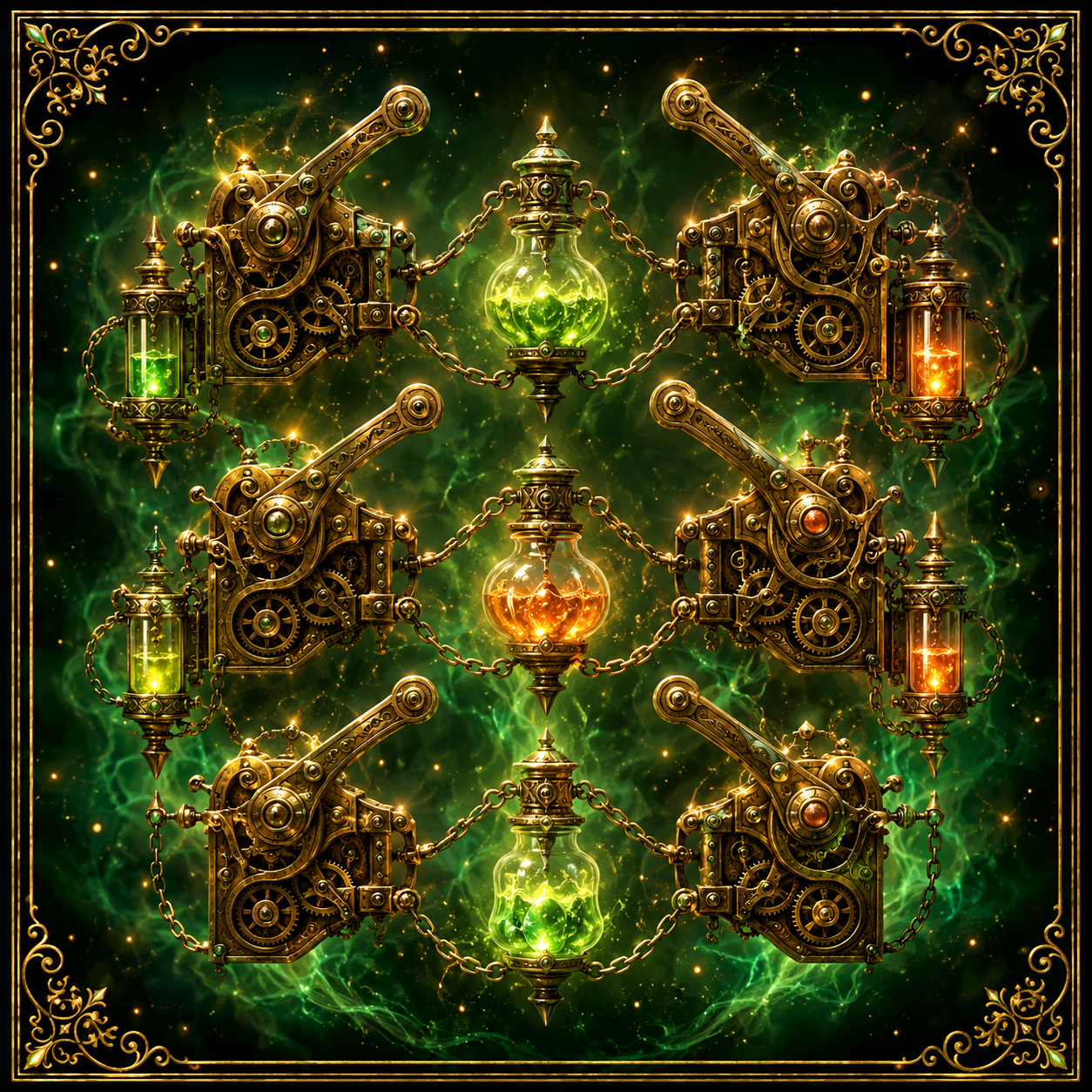
"Every time X happens I do Y and I do not want to anymore."
A standing list of trigger-response pairs they pre-decide, so the loop runs through their conscious choice instead of their old wiring.

"I have something I need to say and I cannot find the form."
A greeting-body-close scaffold that holds what direct expression cannot.
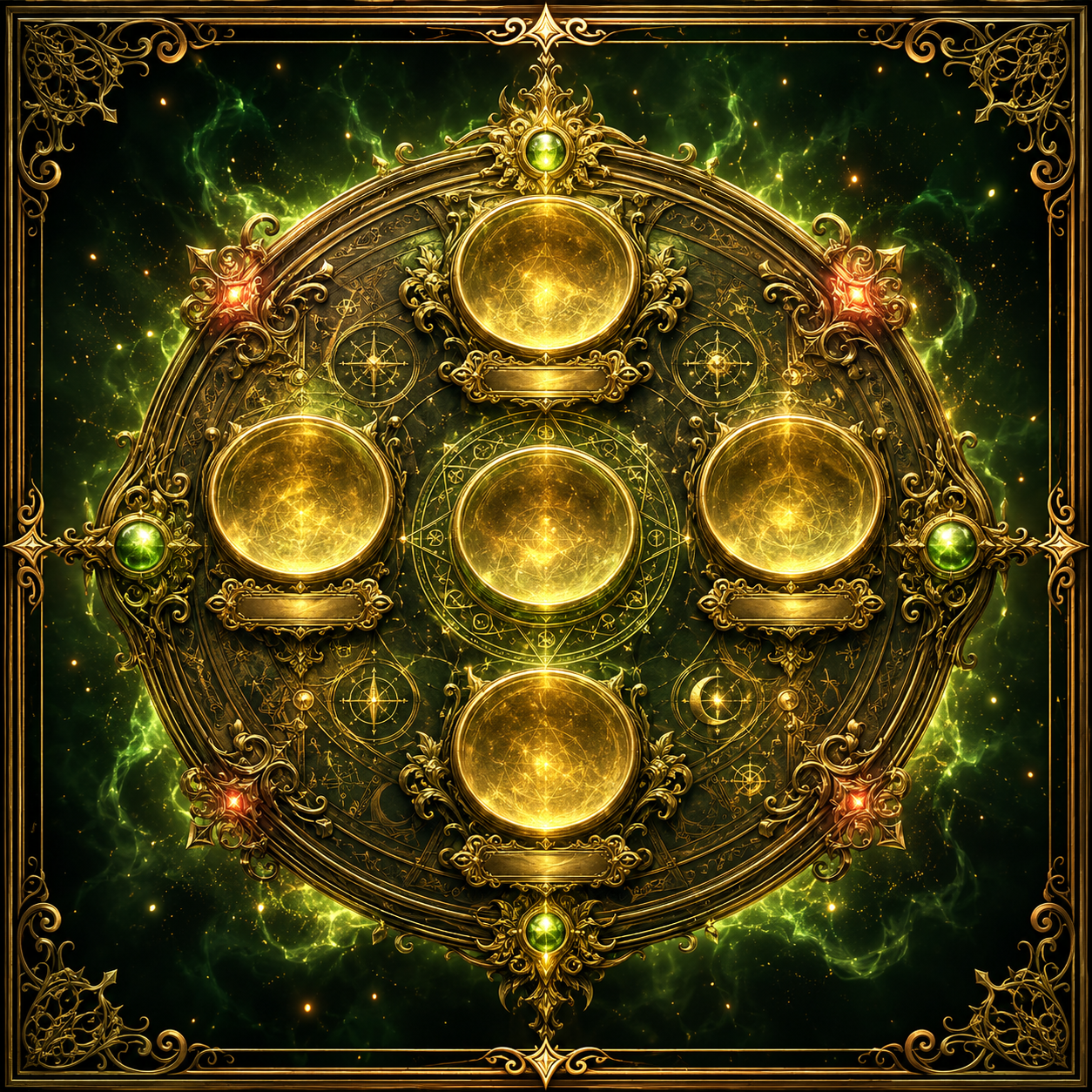
"I cannot generate this from scratch."
A template with fillable slots, so what they cannot create freely they can complete.
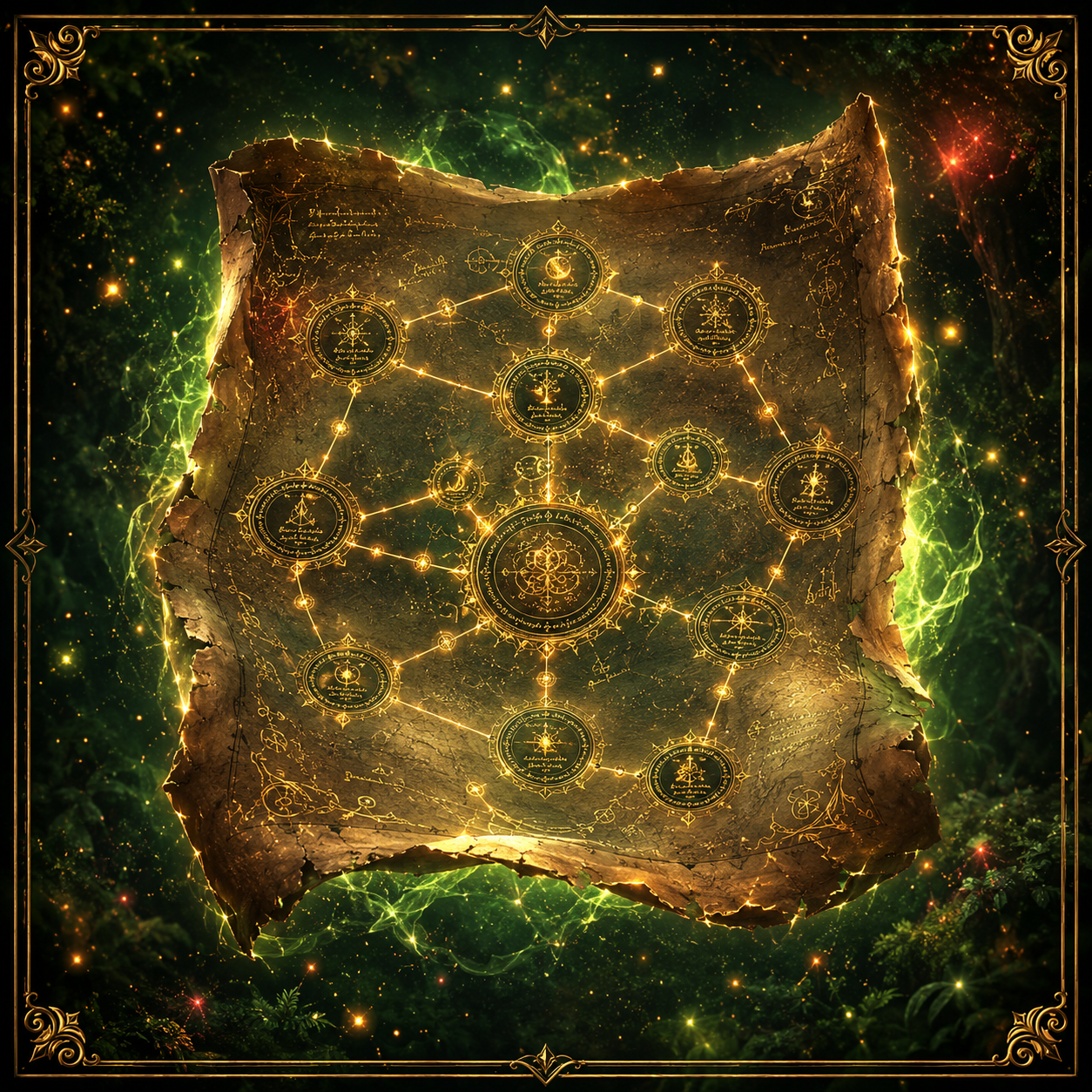
"I do not see how the parts of this connect."
A diagram with labeled elements and the lines between them, so the relationships become visible.
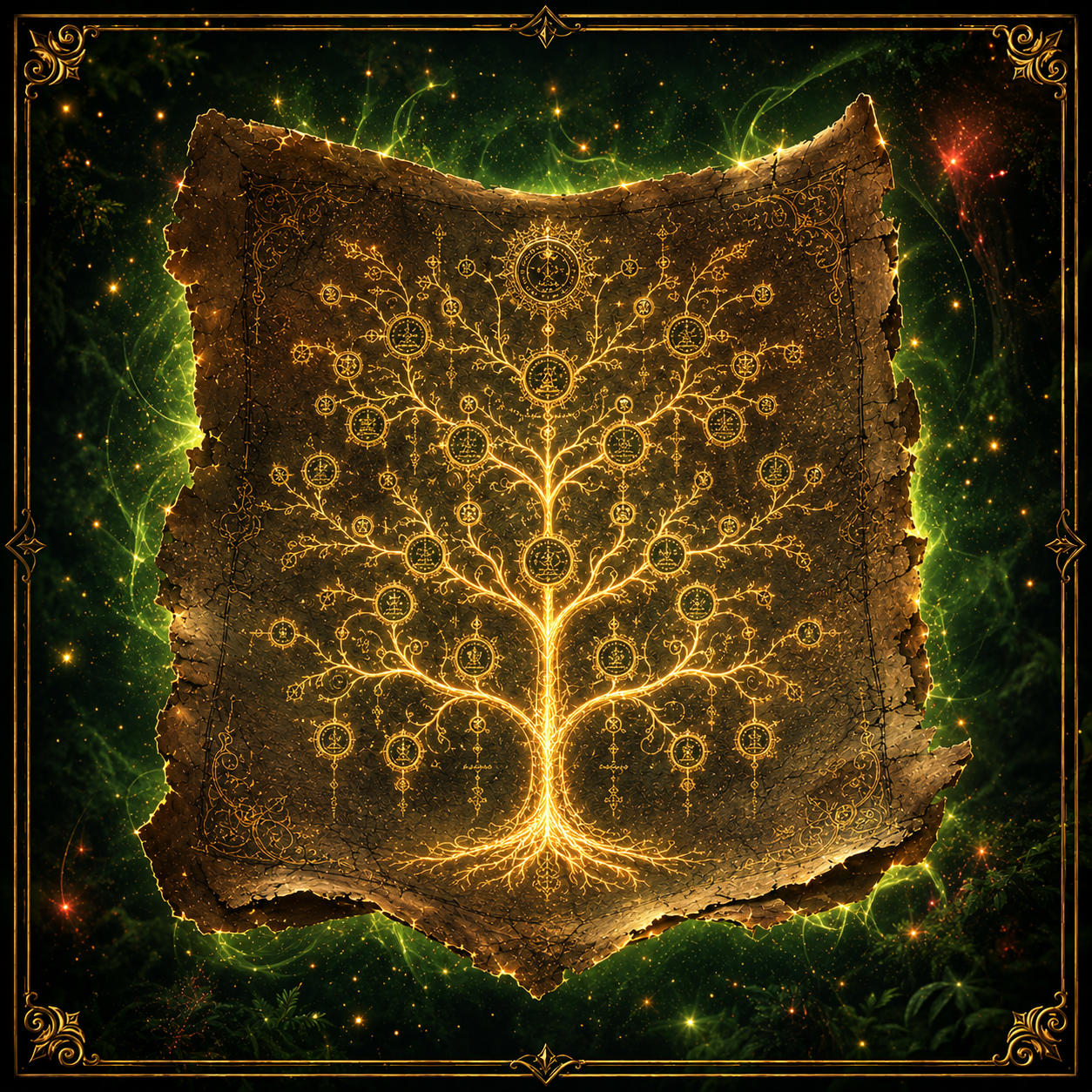
"I do not know what comes from what."
A tree showing roots, trunks, branches, and what each one produces.
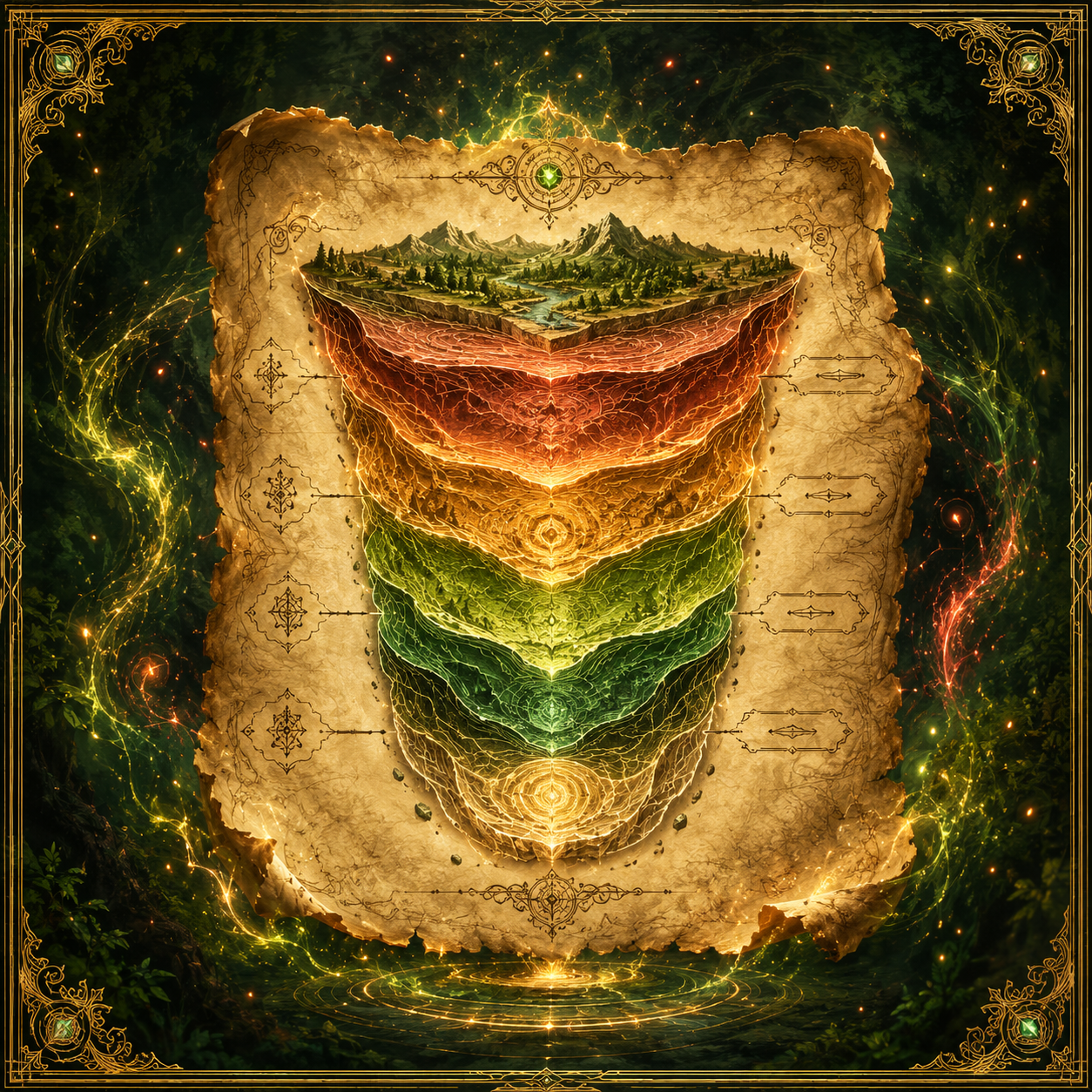
"I sense there are layers here but I cannot name them."
Stacked or nested layers from surface to core, each labeled.
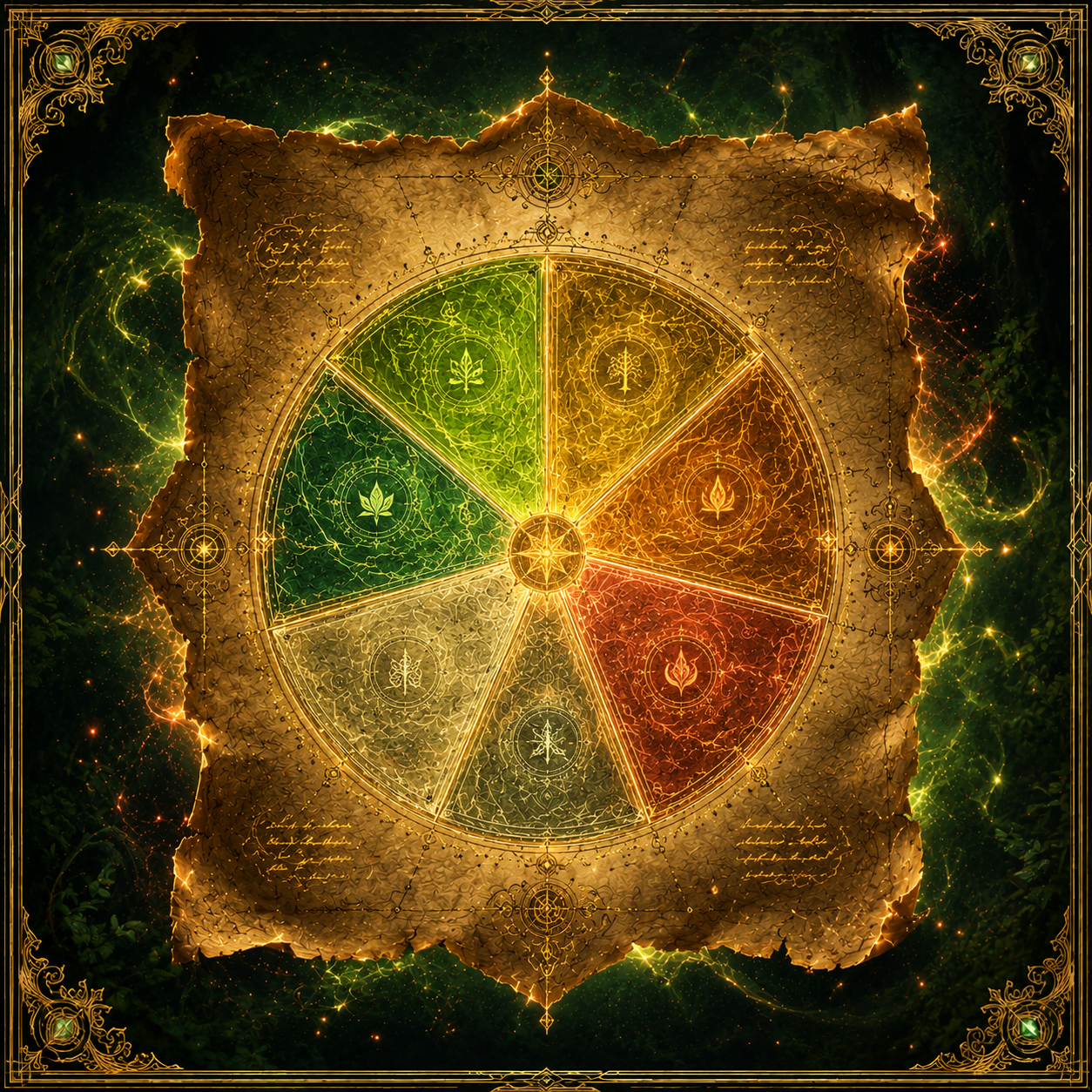
"What are the parts of the whole?"
A divided circle with each part named and proportioned.
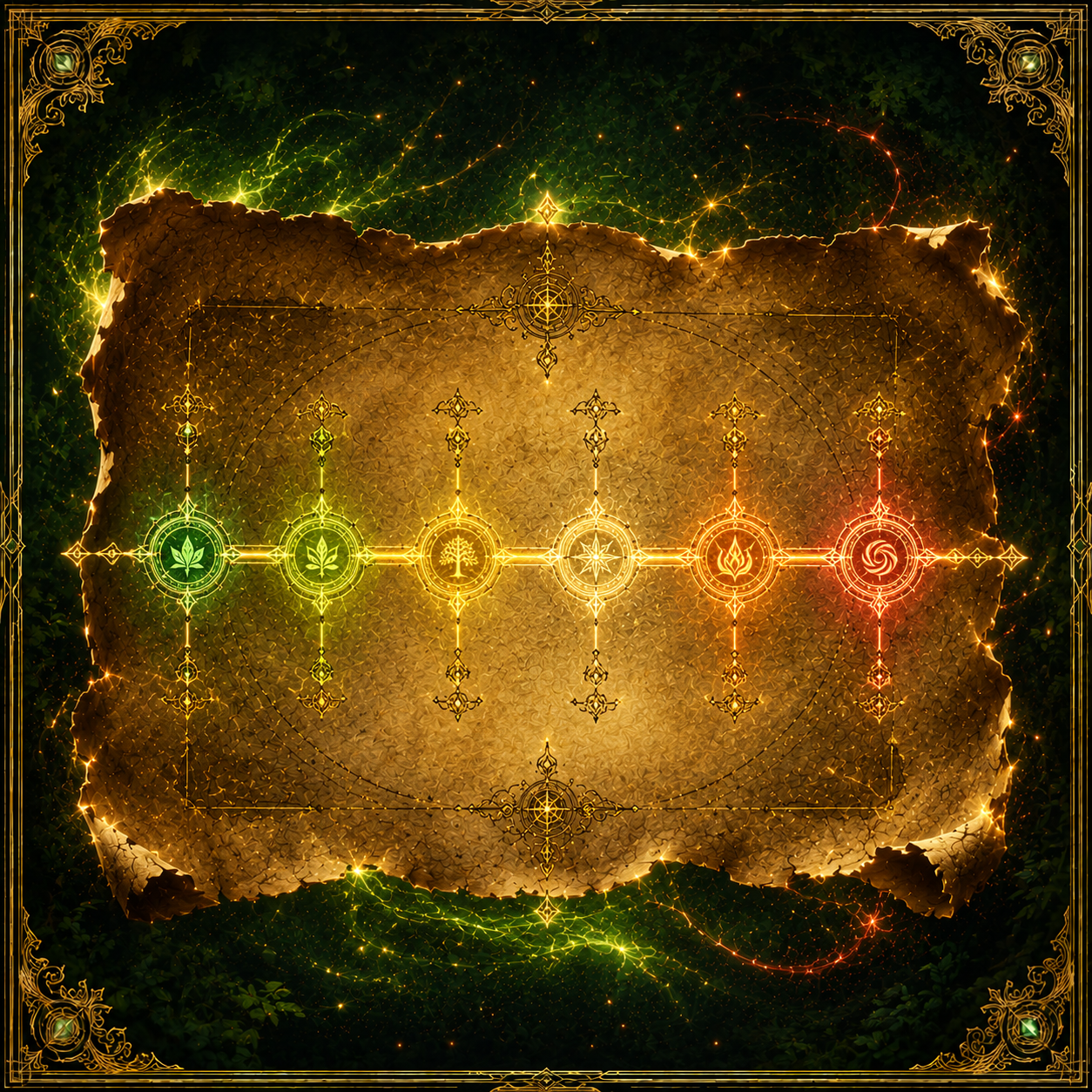
"Where am I on this thing? What is between the extremes?"
A linear range with named stops between two ends.
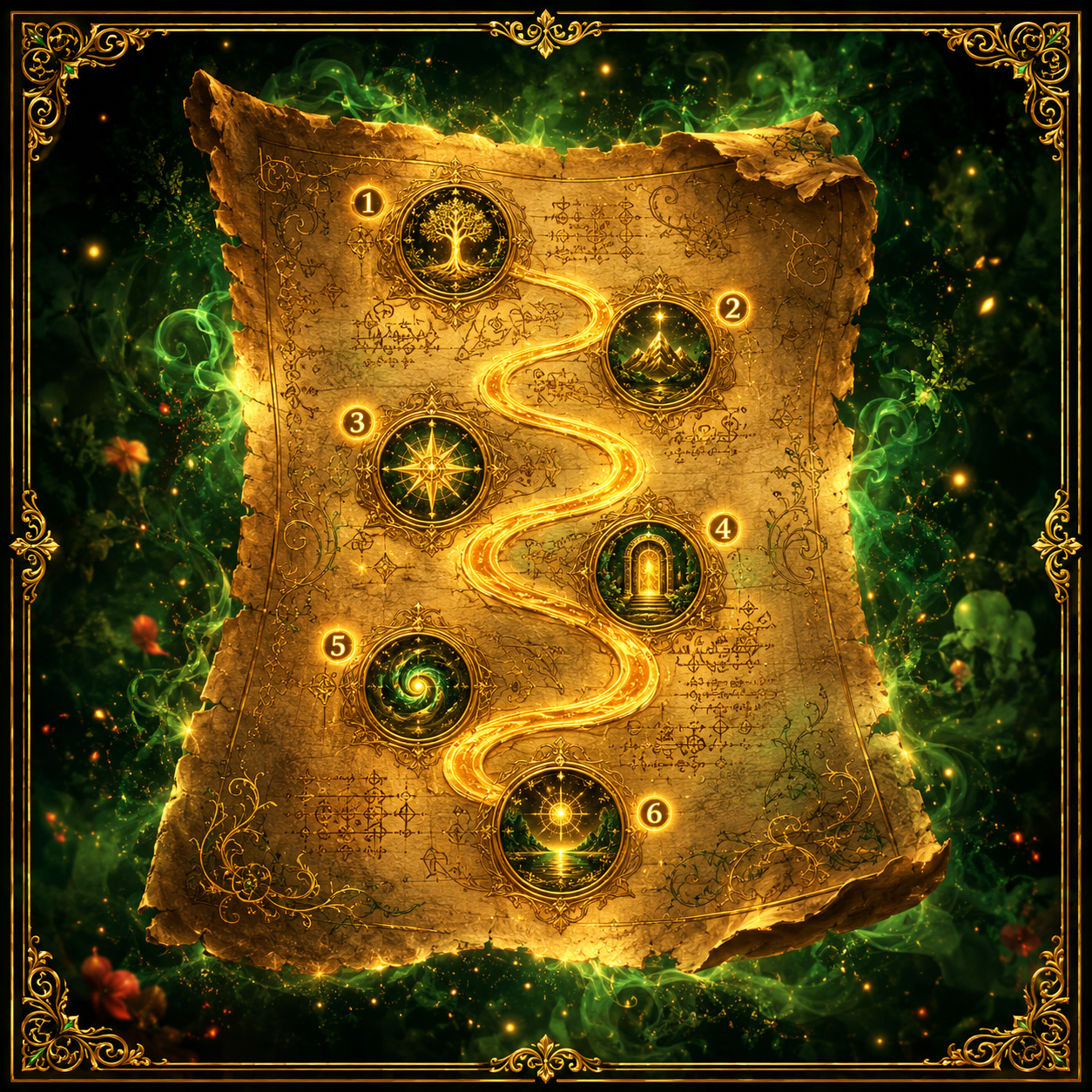
"I do not see the journey."
Ordered stops along a line, so progression becomes navigable.
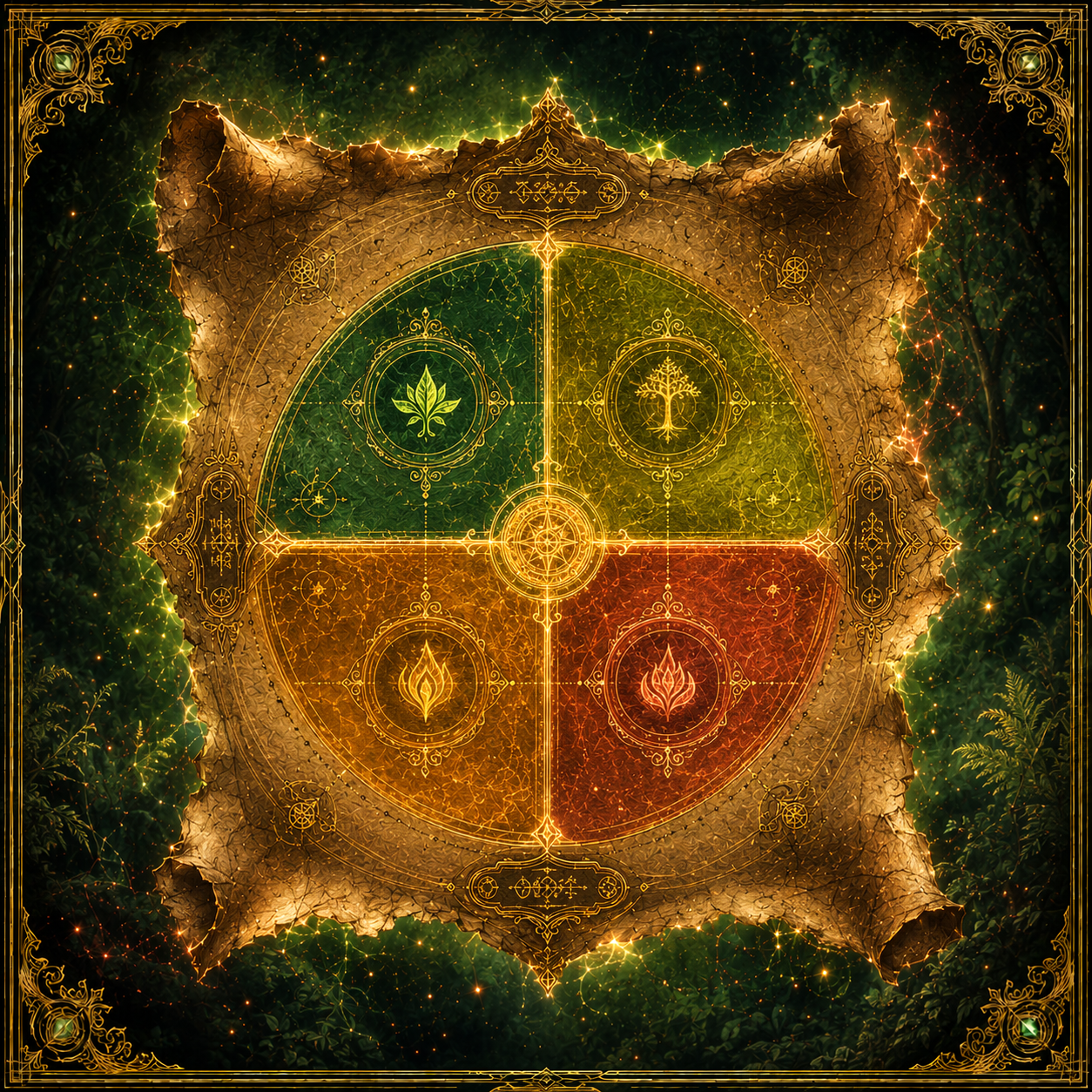
"These two forces pull on me but I cannot see the result."
A 2x2 with two axes and four resulting positions.
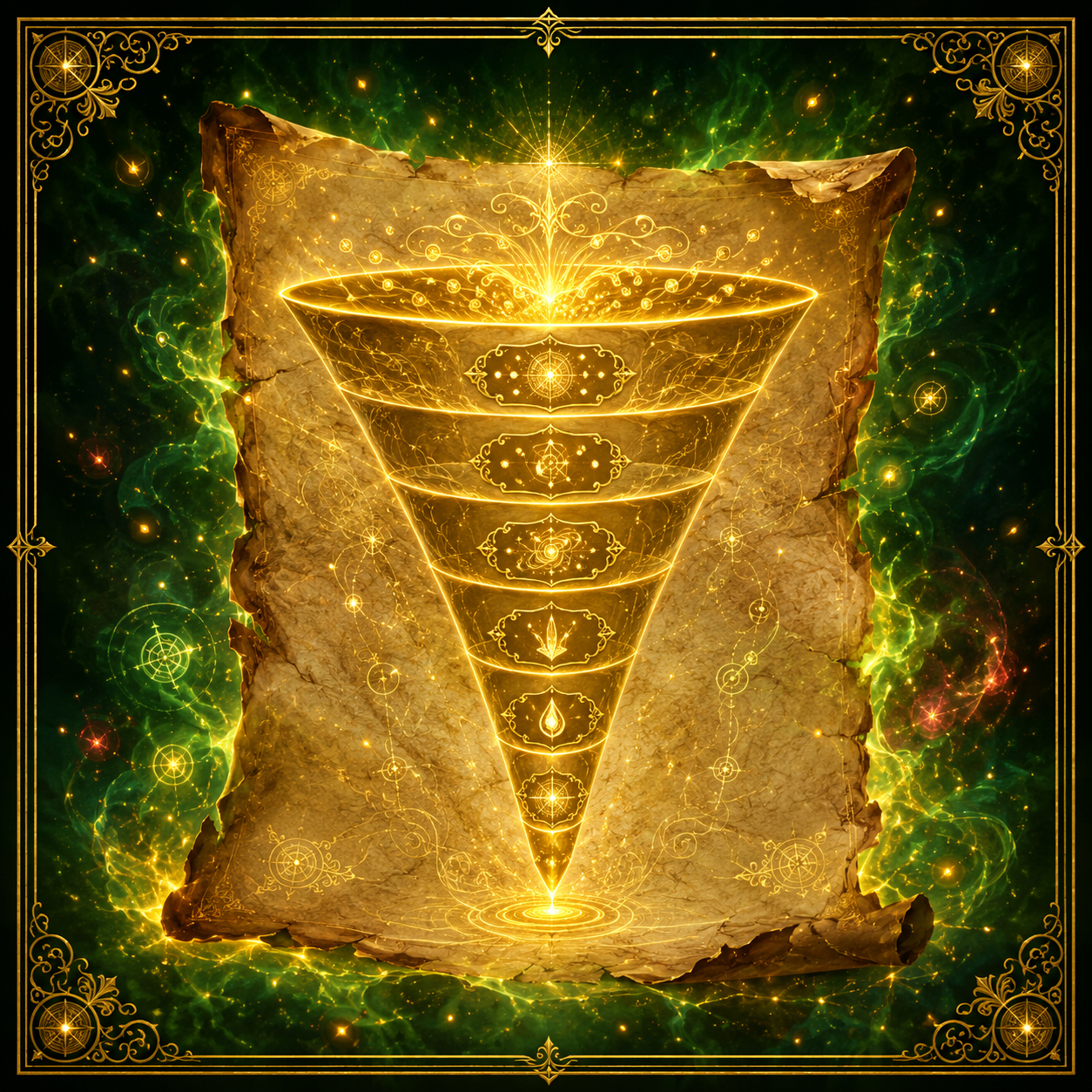
"I do not see how this narrows down."
A widening-to-narrowing structure with named stages.
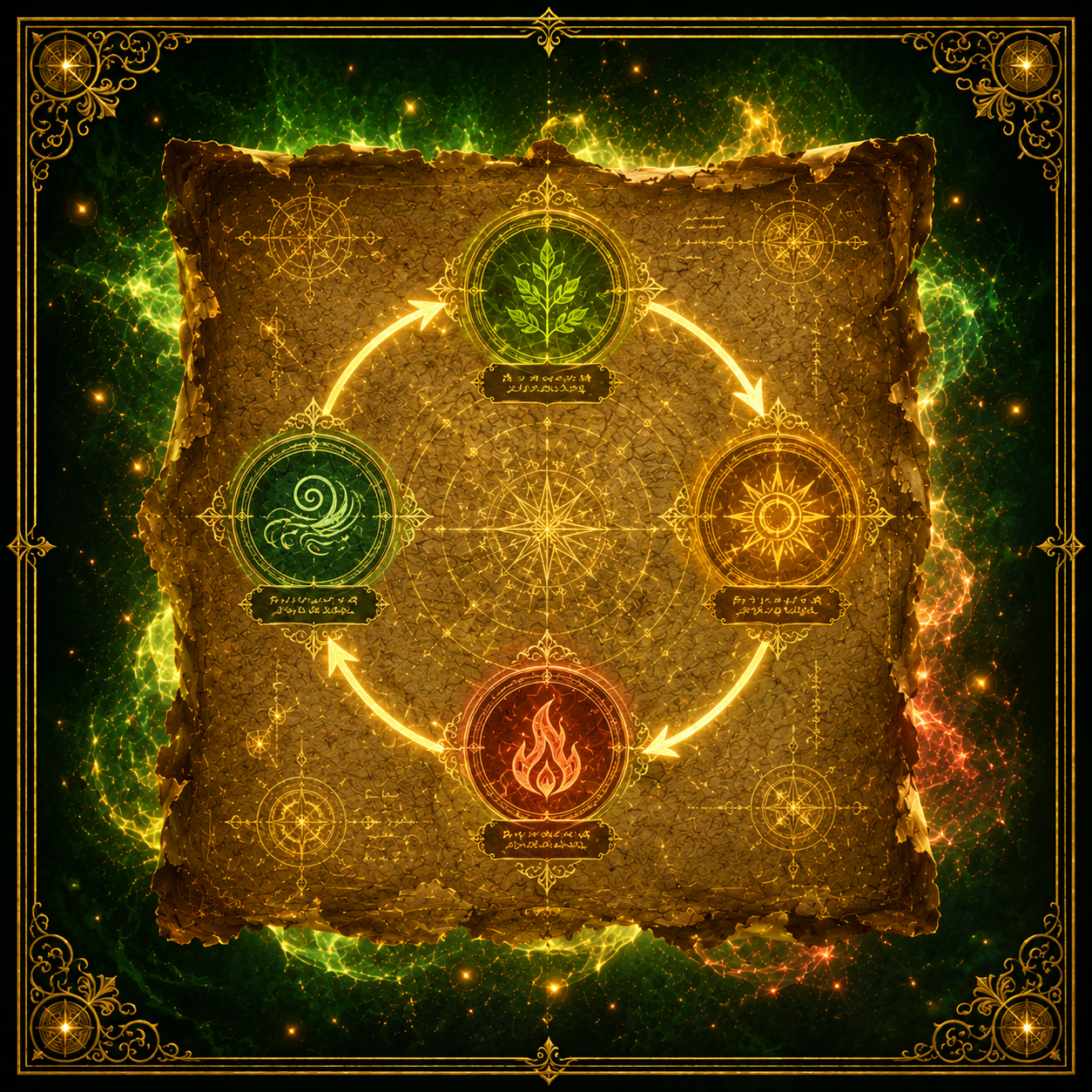
"I keep ending up back here. I do not see the cycle."
A circular diagram with named phases that repeat.
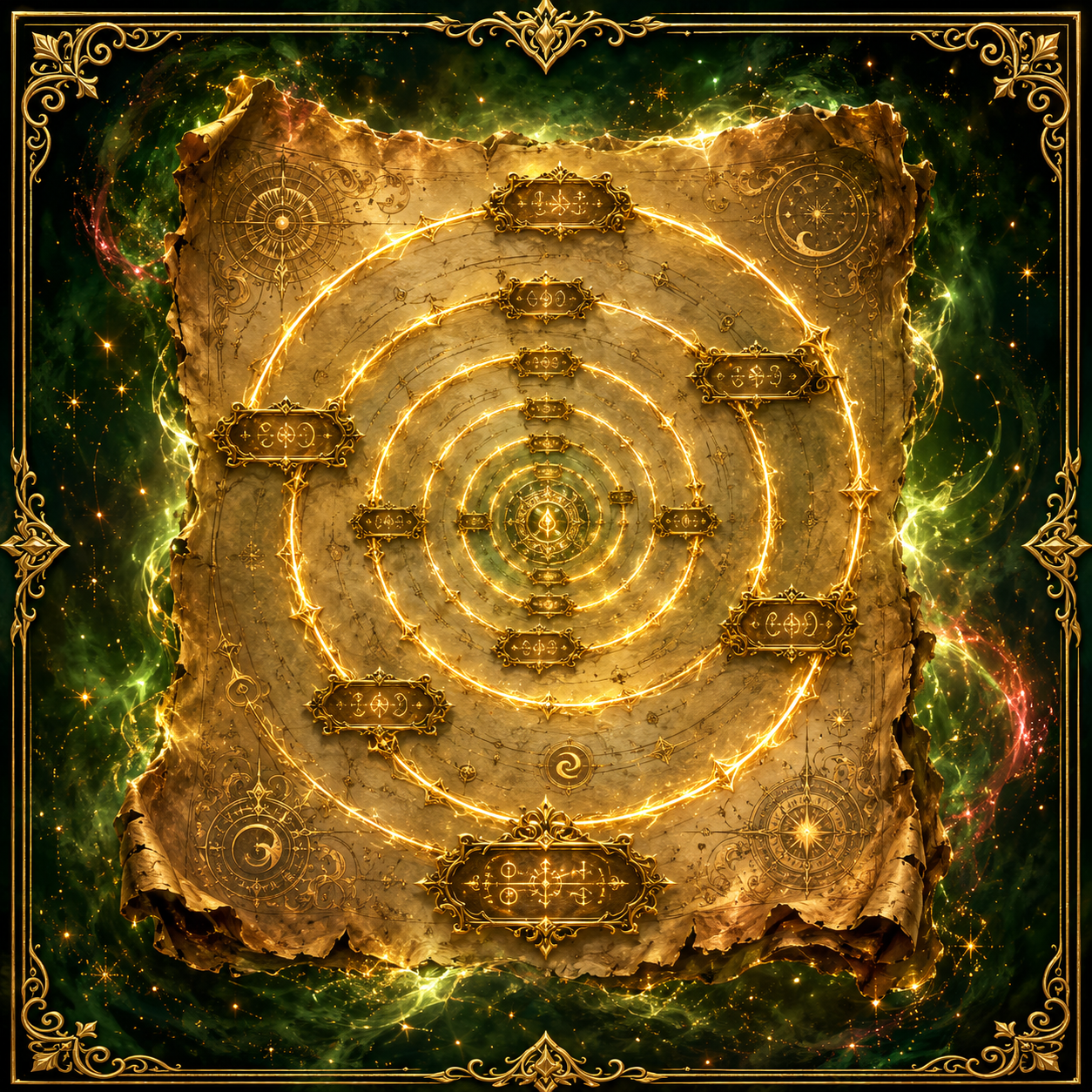
"This theme keeps coming back but I cannot tell if anything is changing."
A spiral showing the same theme returning at different depths.
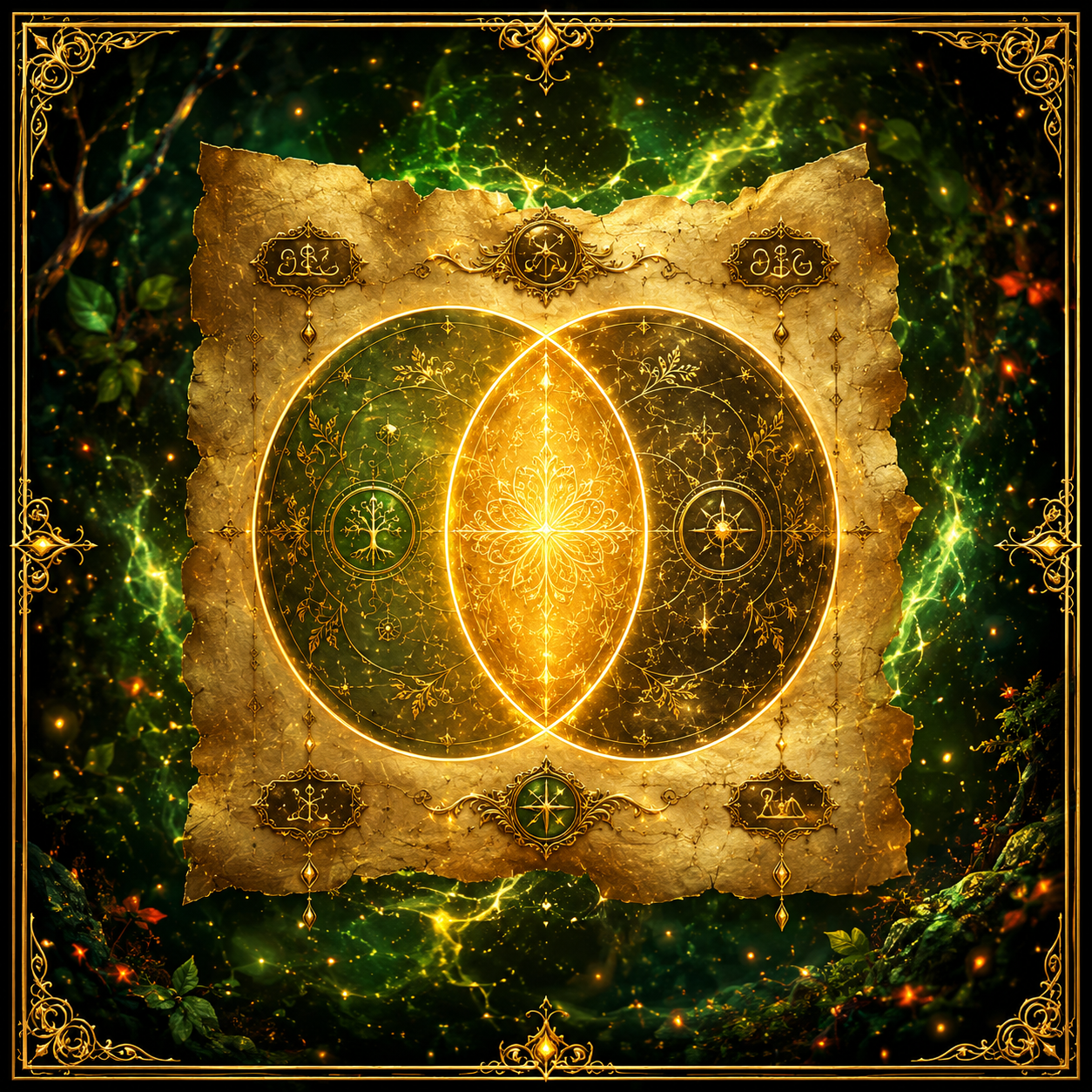
"I cannot see what these two things share and what they do not."
Overlapping circles with the shared region named.
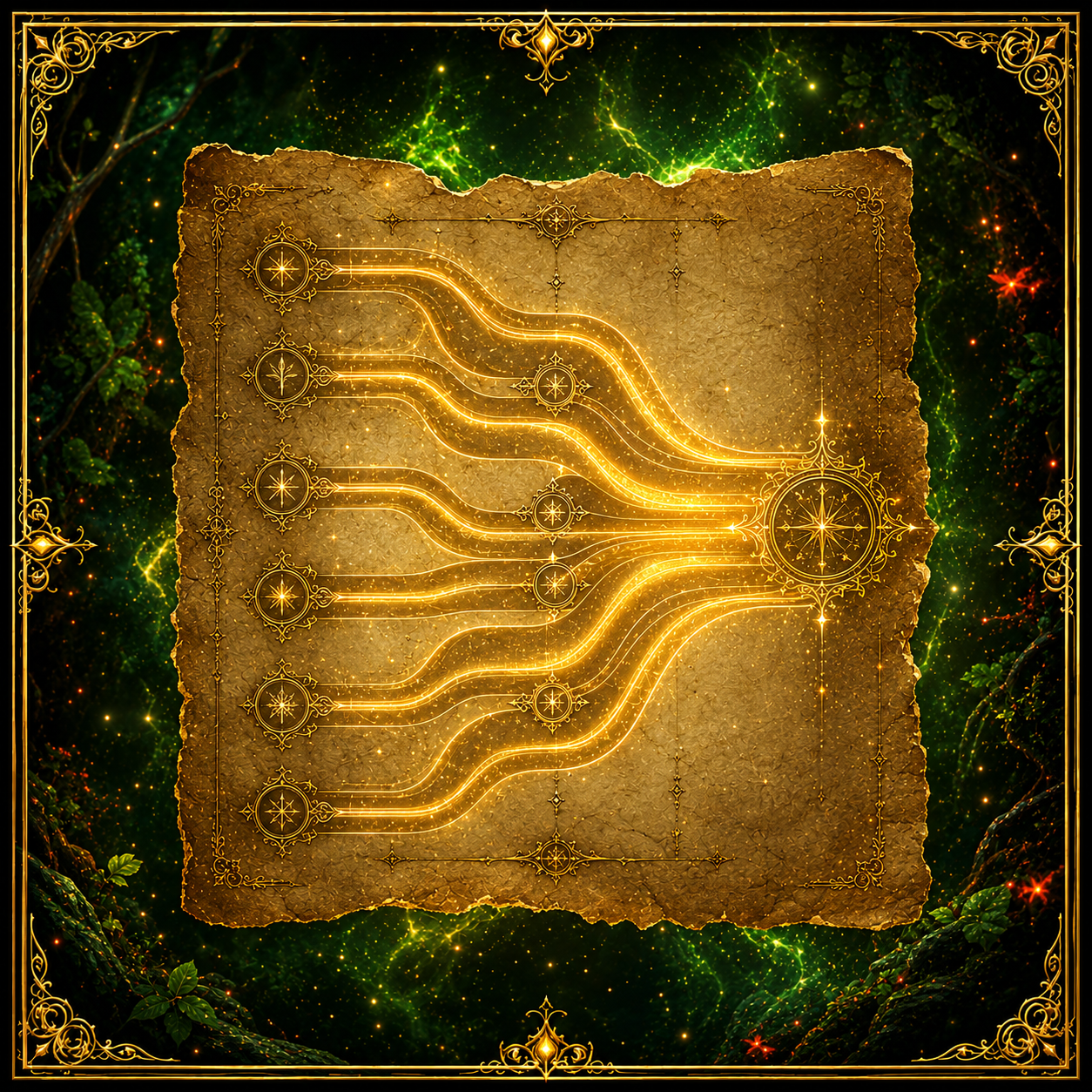
"I do not see where my energy or attention or money is actually going."
A width-proportional flow showing volume and where it splits.
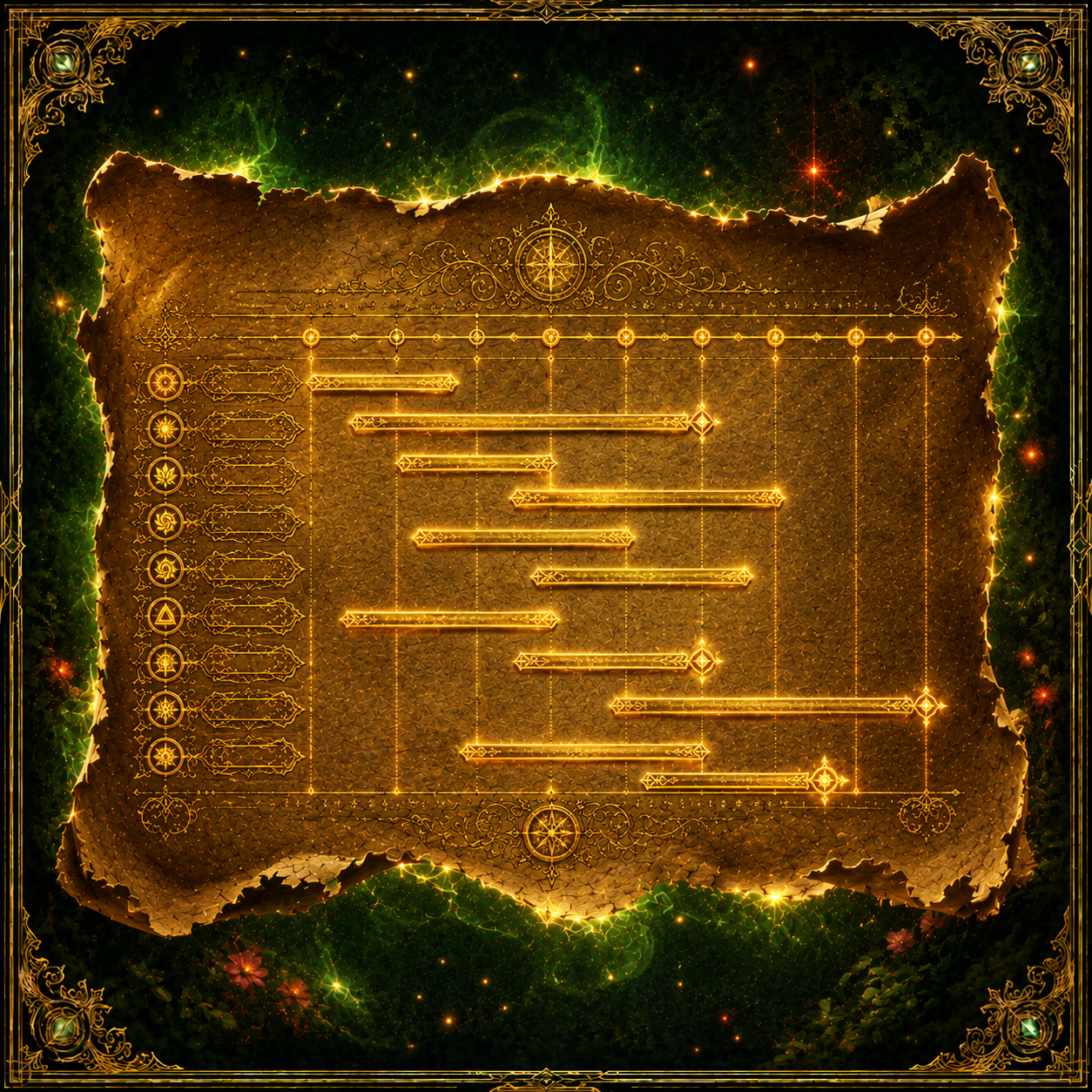
"I cannot see how all these things fit in time."
Tasks plotted as bars across a timeline, so overlap and conflict become visible.
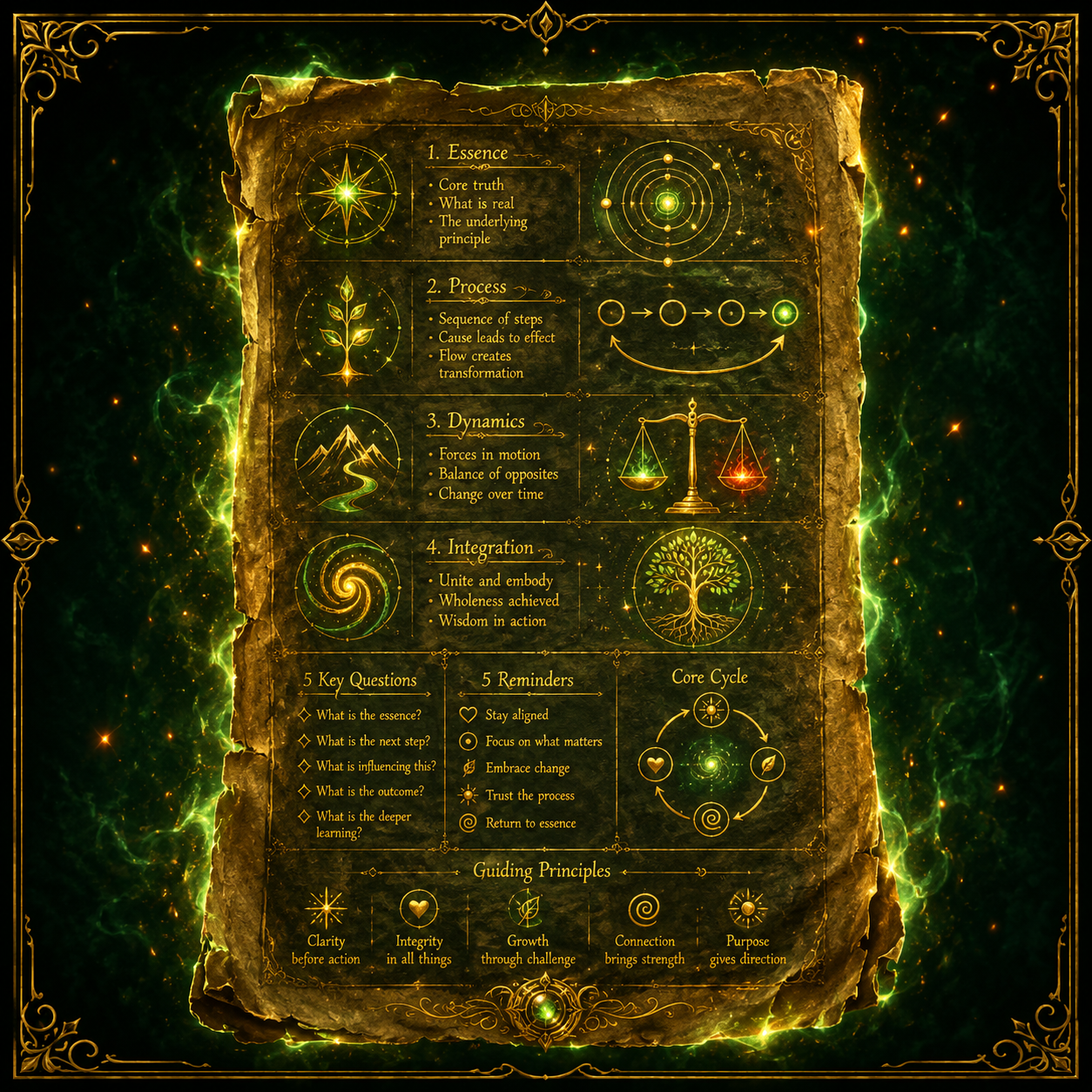
"I keep forgetting the key points."
A single-page summary they can return to on demand.
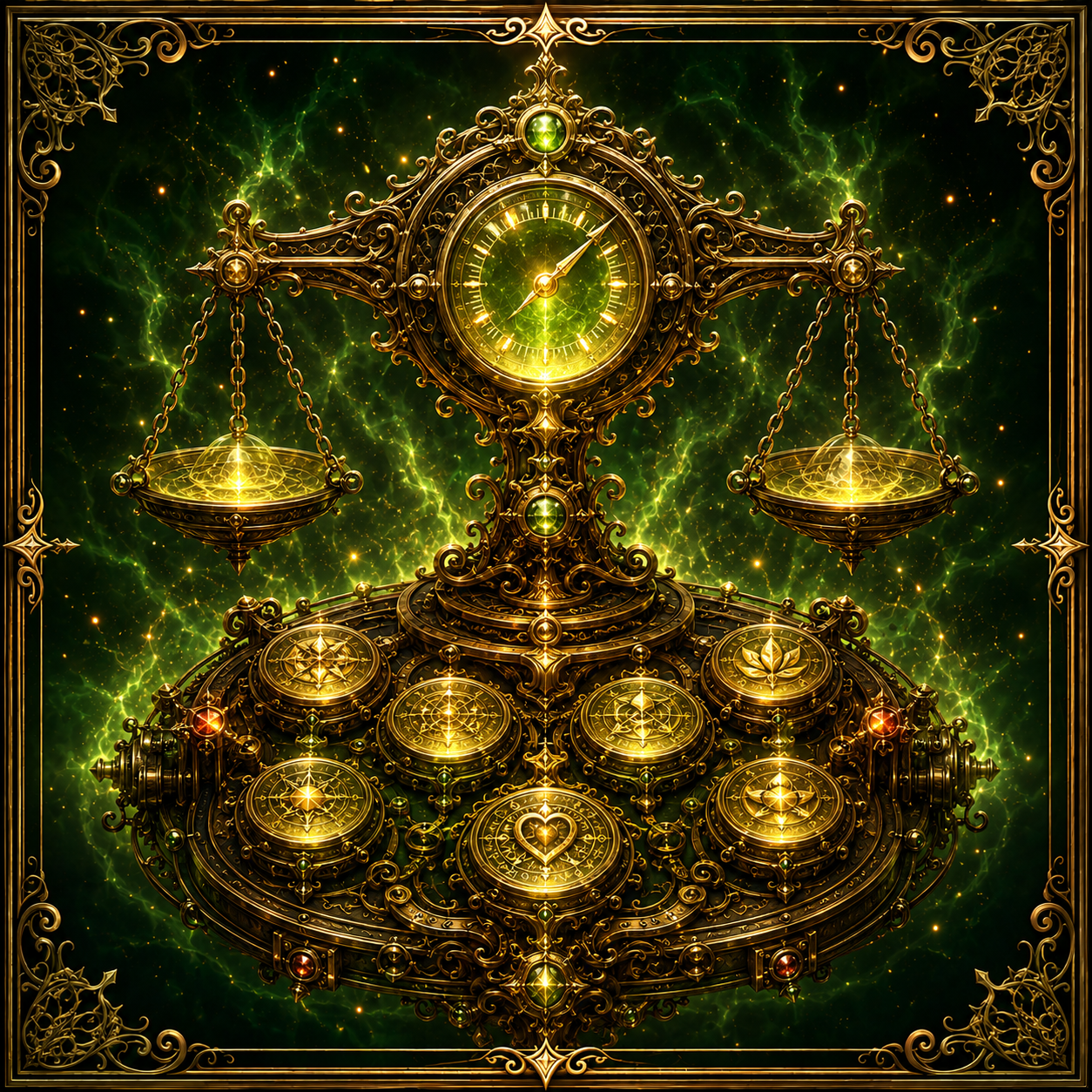
"I have so many options and so many criteria, my head spins."
A grid with options scored against weighted criteria, with a calculated ranking.
"I keep saying yes to things I should not."
A short list of must-pass questions any decision has to clear.
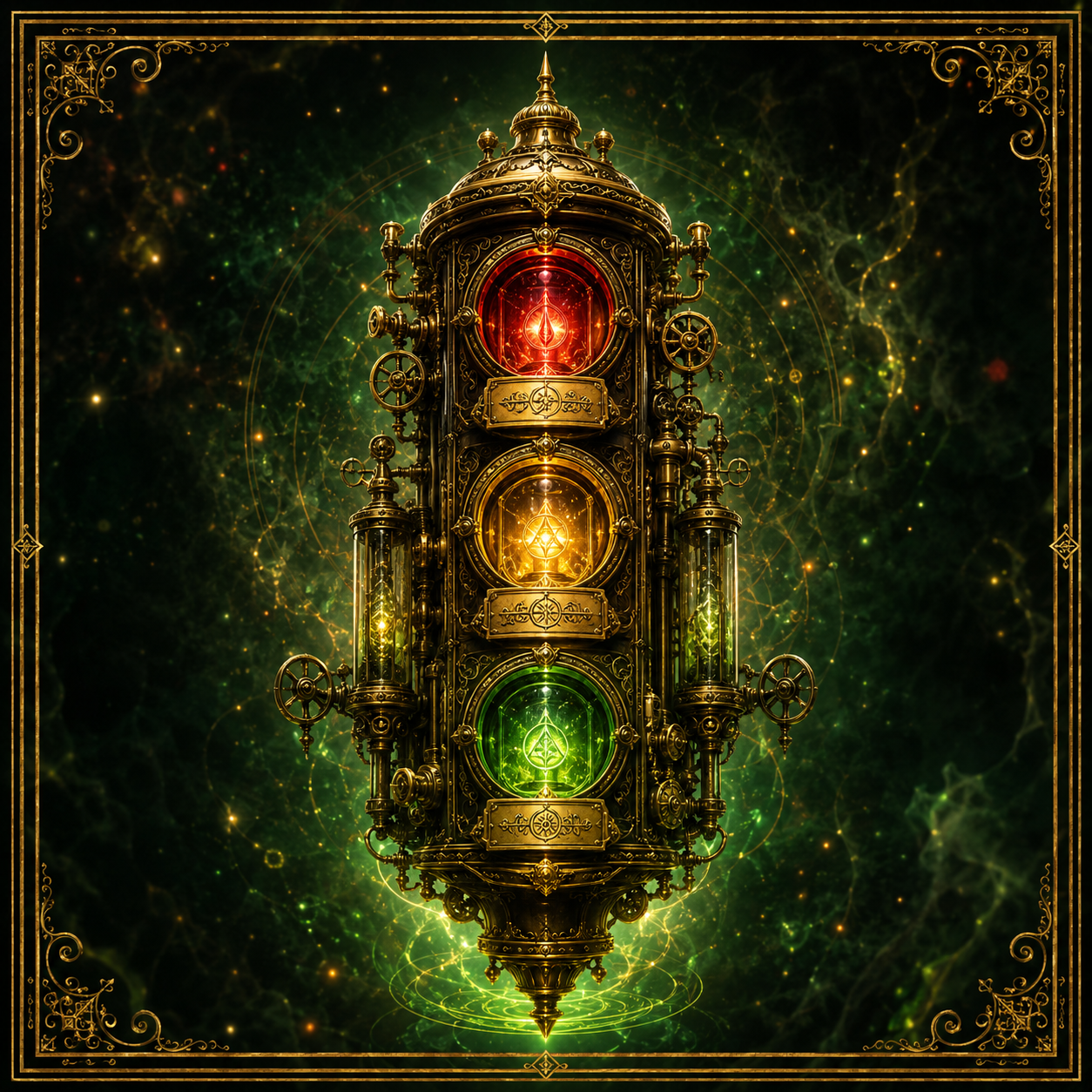
"I cannot tell if this is a green light, a yellow light, or a red light."
A categorical verdict with criteria for each tier.
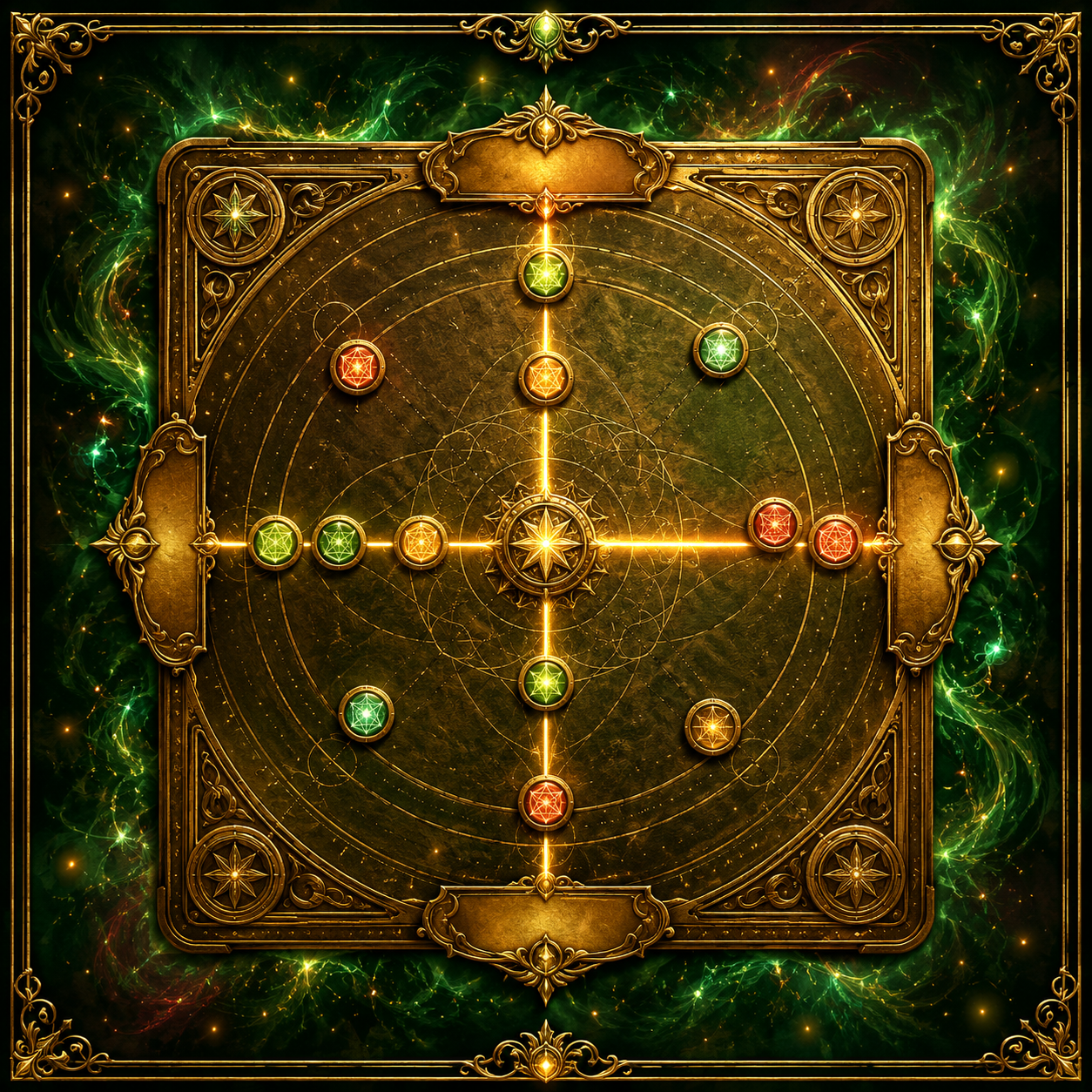
"I cannot weigh impact against effort."
Options placed on a 2D grid, so the high-impact-low-effort quadrant fills up.
"I cannot see what happens if I do this."
A guided imagination of the outcome, then evaluation from that vantage.
"My head says yes but something feels off."
A structured body check, so somatic data becomes part of the decision.
"I keep deciding the same thing over and over."
Pre-decided if-then rules they apply when the situation comes up.
"I do not know how to say no kindly, or I do not know how to give myself permission."
A scripted response template for the moment of commitment or decline.
"I forget my own boundaries when it is happening."
A persistent list of pre-decided nos and must-haves they refer to.
"I know what to do but I cannot do it consistently."
Named steps in order they follow each time, so the practice has a shape.

"New habits never stick for me."
A new practice paired with an existing anchor, so the old habit pulls the new one along.
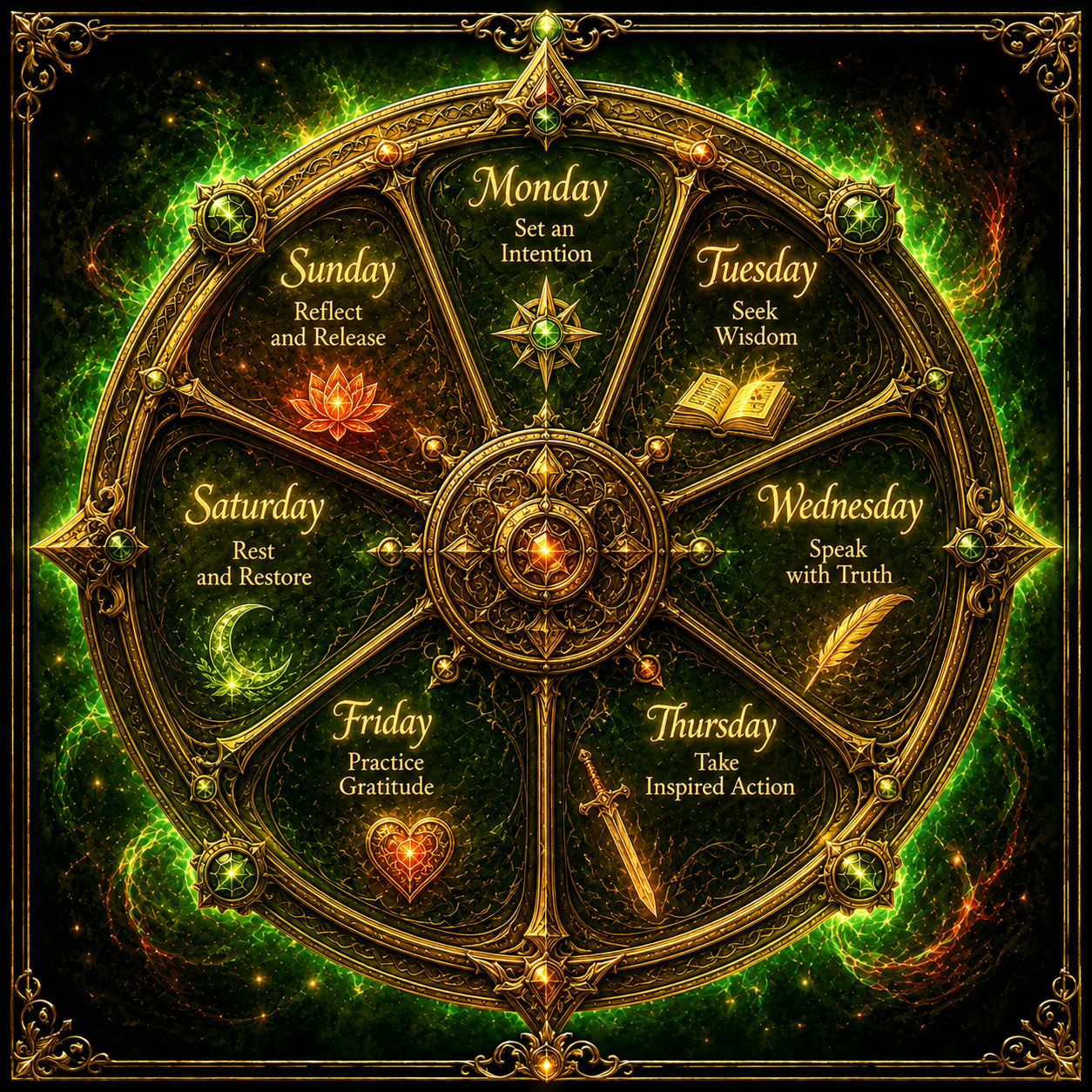
"Same prompt every day got boring and I stopped."
Different prompts cycling on a cadence, so the practice stays alive.
"I need a stretch but I keep choosing the safe one."
A deck of prompts they pull from at random, so the edge picks them.
"Reading it in my head does not land."
A read-aloud script, so the words are produced through the body rather than only processed visually.
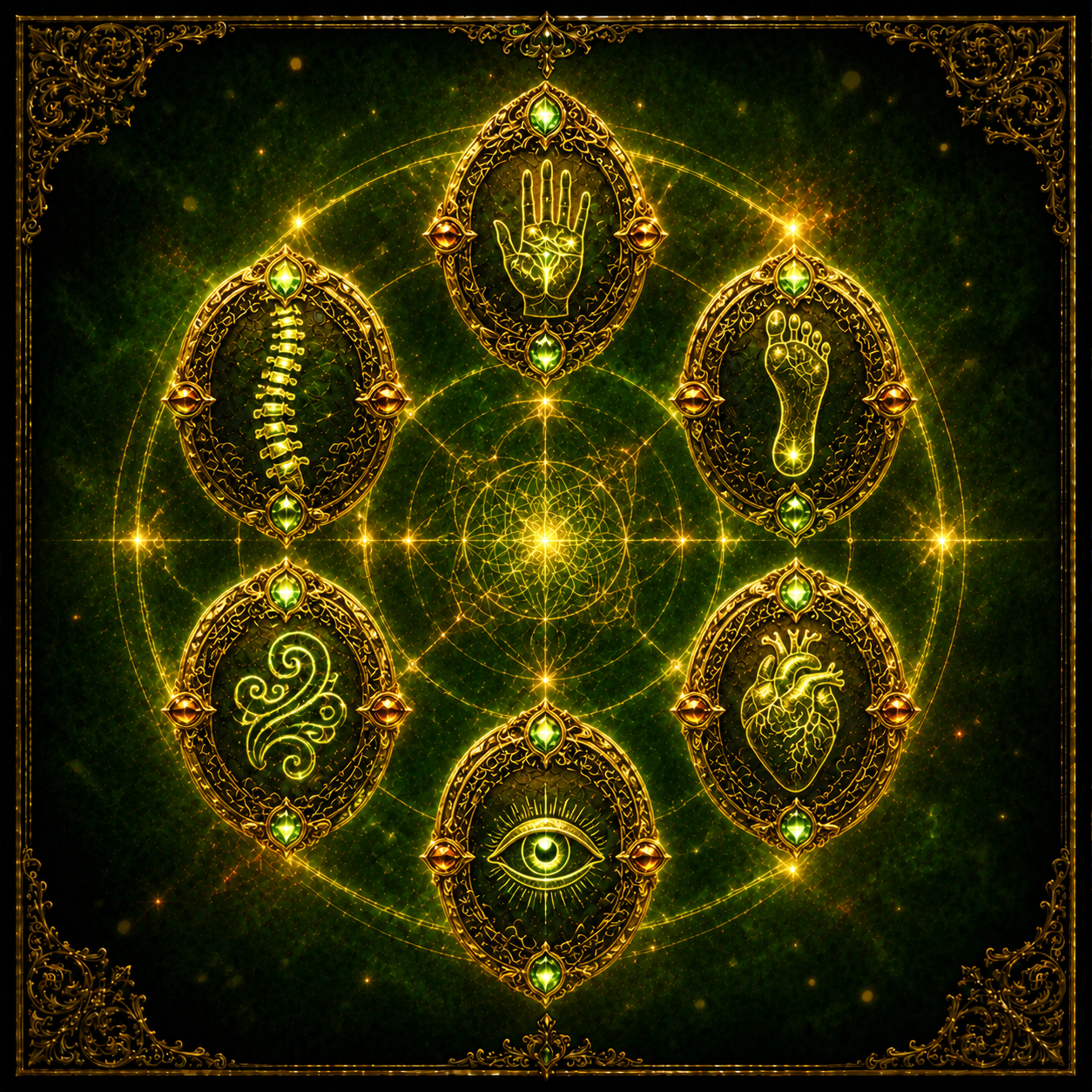
"I am stuck in my head."
Body-based cues that drop attention into sensation.
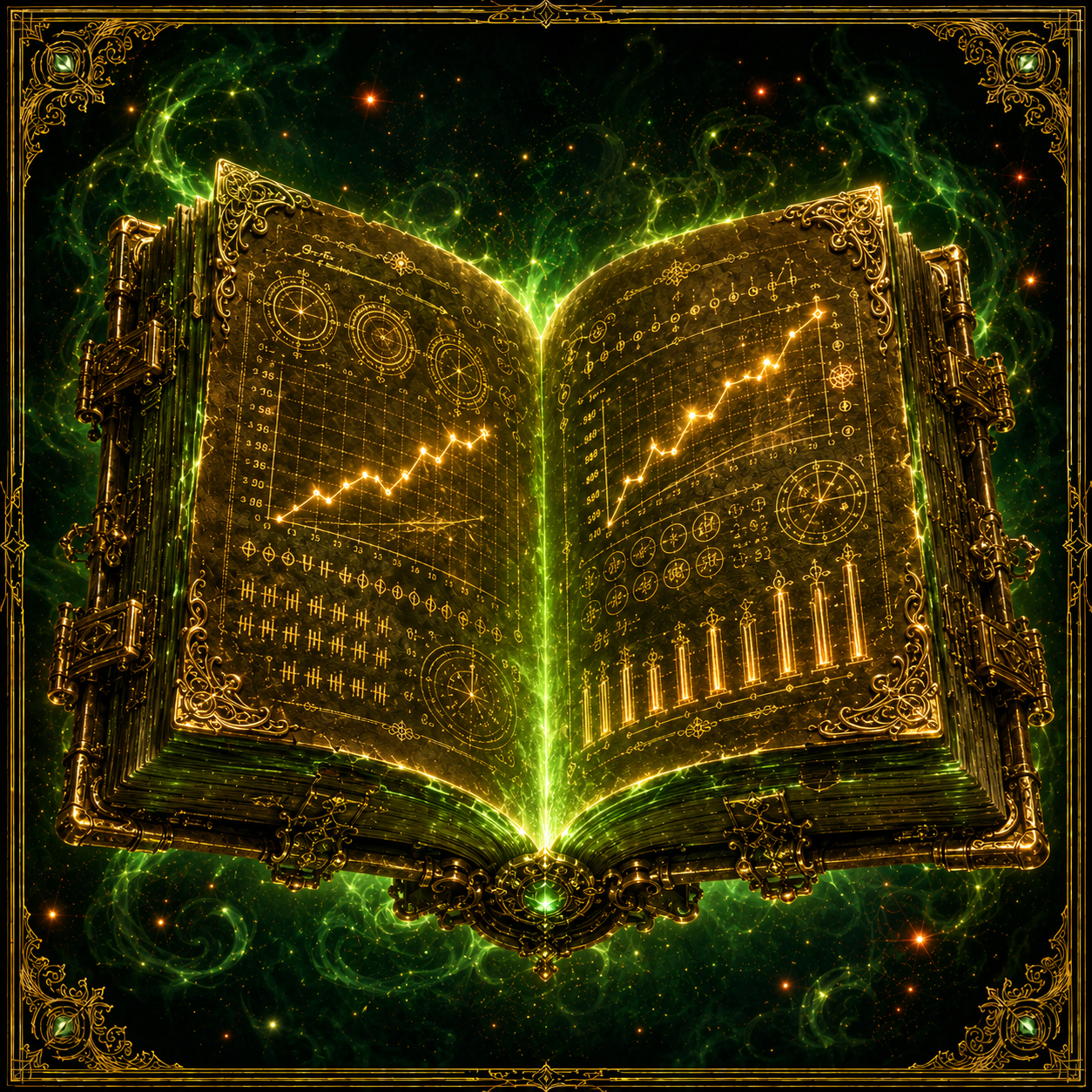
"I cannot tell if anything is actually changing."
Time-series data they can chart, so trends become visible.
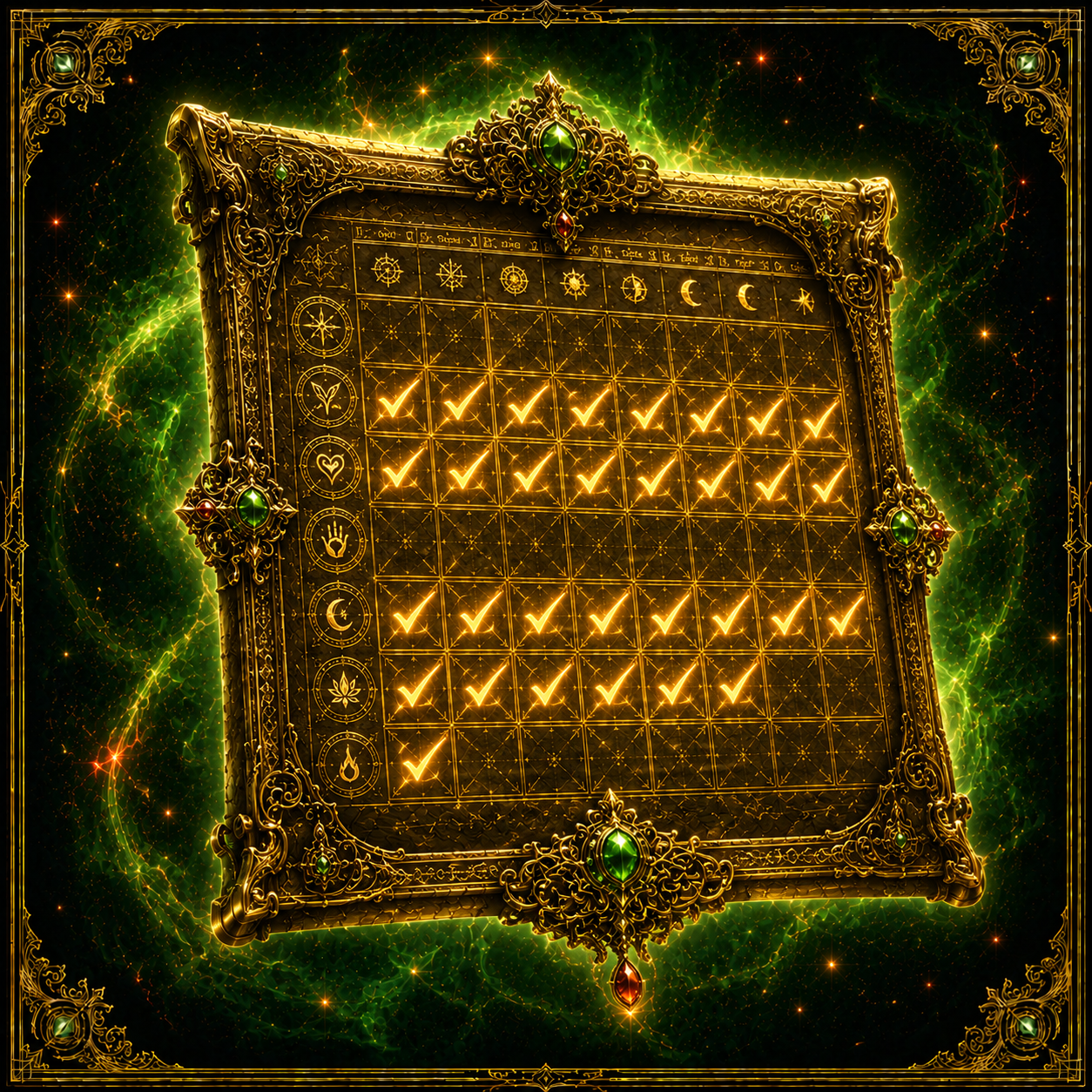
"I keep losing my streak and starting over."
A grid of items by dates, so the chain of completion or breaks becomes visual.
"I want to track what numbers cannot hold."
Recurring prompts they answer on cadence, so qualitative experience accumulates as text.
"I keep losing the good stuff."
A growing tagged list they add to whenever something arrives.

"I keep saying I am committed but it does not feel real."
A formal written declaration, signed and dated.
"I have not said it out loud yet."
A scripted declaration, spoken aloud in their own voice, that moves the change from thought into the body of speech.
"I have shifted but no one in my world knows."
A piece written for an audience, so the inner change has a shareable form.
"I want something physical to mark this."
A created composition of glyphs, colors, and words that holds the change in form.
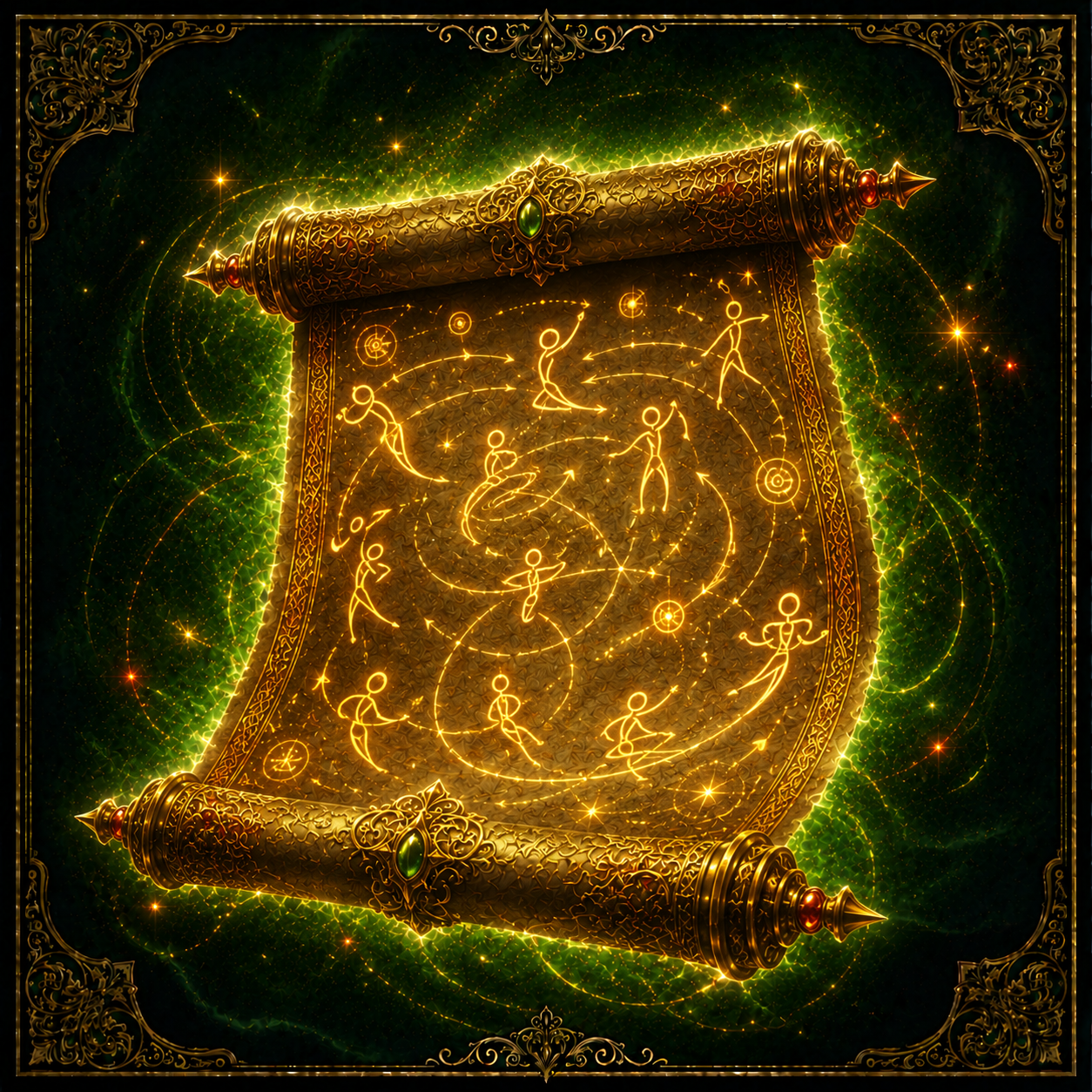
"I want to feel this in my body, not just say it."
An enacted, embodied, movement-based expression of the change.
"I want others to witness this."
A structured ask for specific people to bear witness or hold accountable.